
The Holdovers – Analysing a Contemporary Christmas Classic
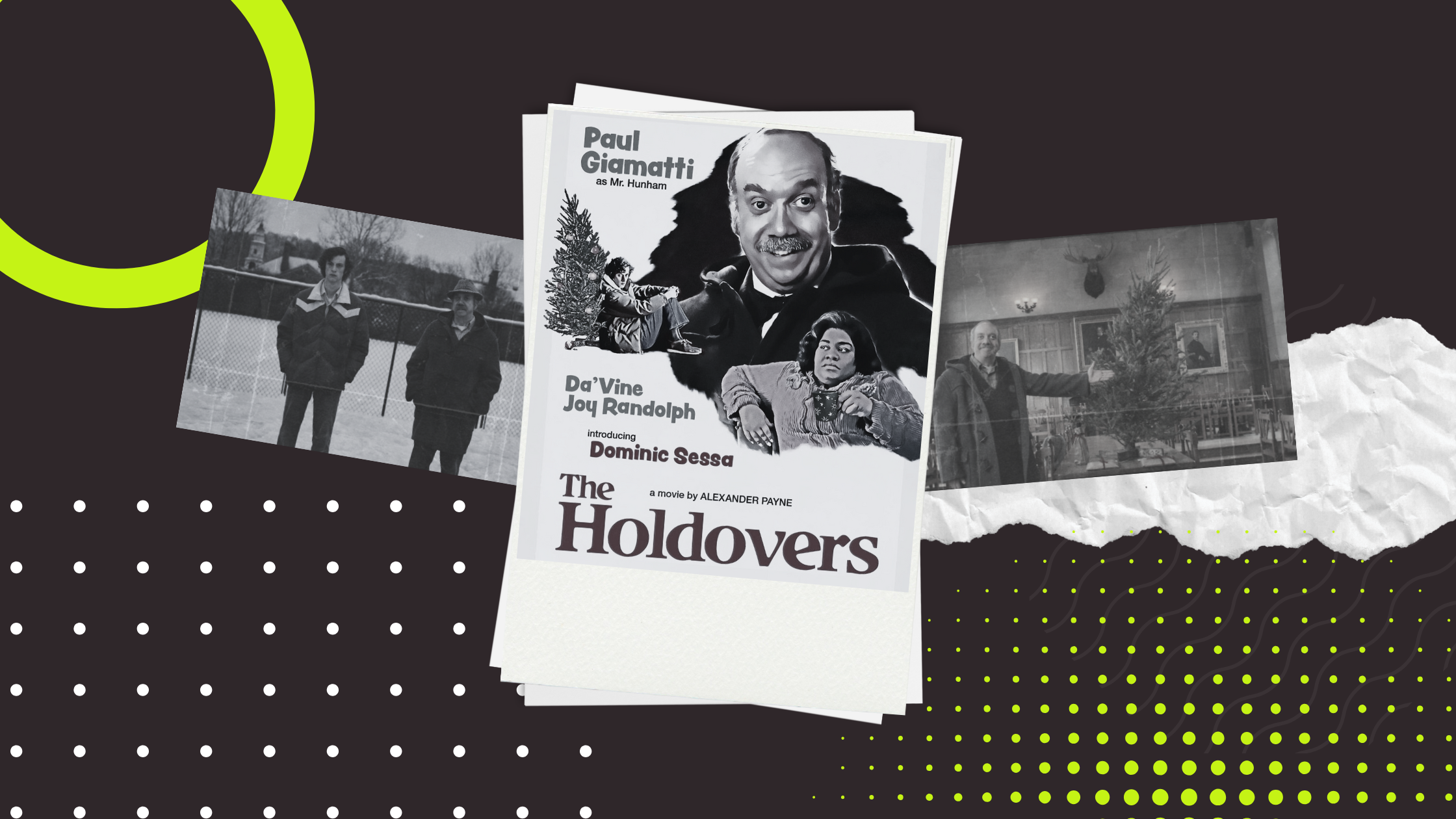
If I asked you to rattle off a few Christmas classics, what’s the newest title you’d name? I’d wager something from the ’90s – maybe Elf if you’re under thirty. Between Home Alone, The Sound of Music, The Grinch, A Christmas Carol, and the inevitable Die Hard mention (from those of you who still think this is somehow controversial), almost no one suggests anything from the 2010s or 2020s. It does feel like recent Christmas movies don’t hit the way they used to.
That’s why 2023’s The Holdovers feels like a gift we didn’t know we needed. I didn’t catch it until 2024, and it immediately shot to the top of my rewatch list for this holiday season. So today, let’s dig into David Hemingson’s standout screenplay, unpack what makes it a modern classic-in-waiting, and explore why it deserves to sit beside Trains, Planes & Automobiles as a holiday movie that’s an incredible drama in its own right.
OPENING IMAGE

Christmas, 1970. We are introduced to Barton Academy through a brief series of vignettes of a tired New England town, accompanied by the school choir’s voices. Right away, the film sketches a rigid, old-world institution bound by its own traditions. The austere architecture and snowy landscapes imply a place defined by cold order, its severity softened only by a veneer of propriety.
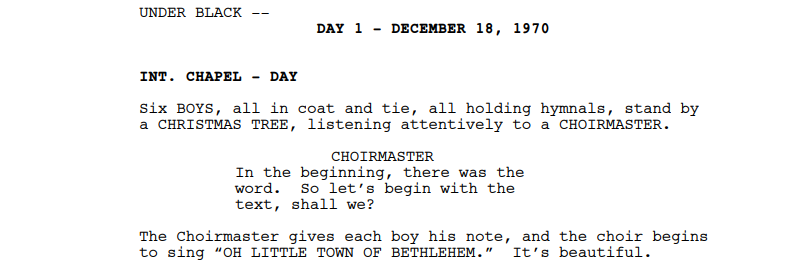
It may sound simple, but I have to begin by emphasising how genuinely cozy this opening feels. It sets the tone before the drama kicks in. As someone who tends to overwrites my first page, I’m struck by how cleanly the film stakes out a setting that’s absolutely essential to the story.
SET UP
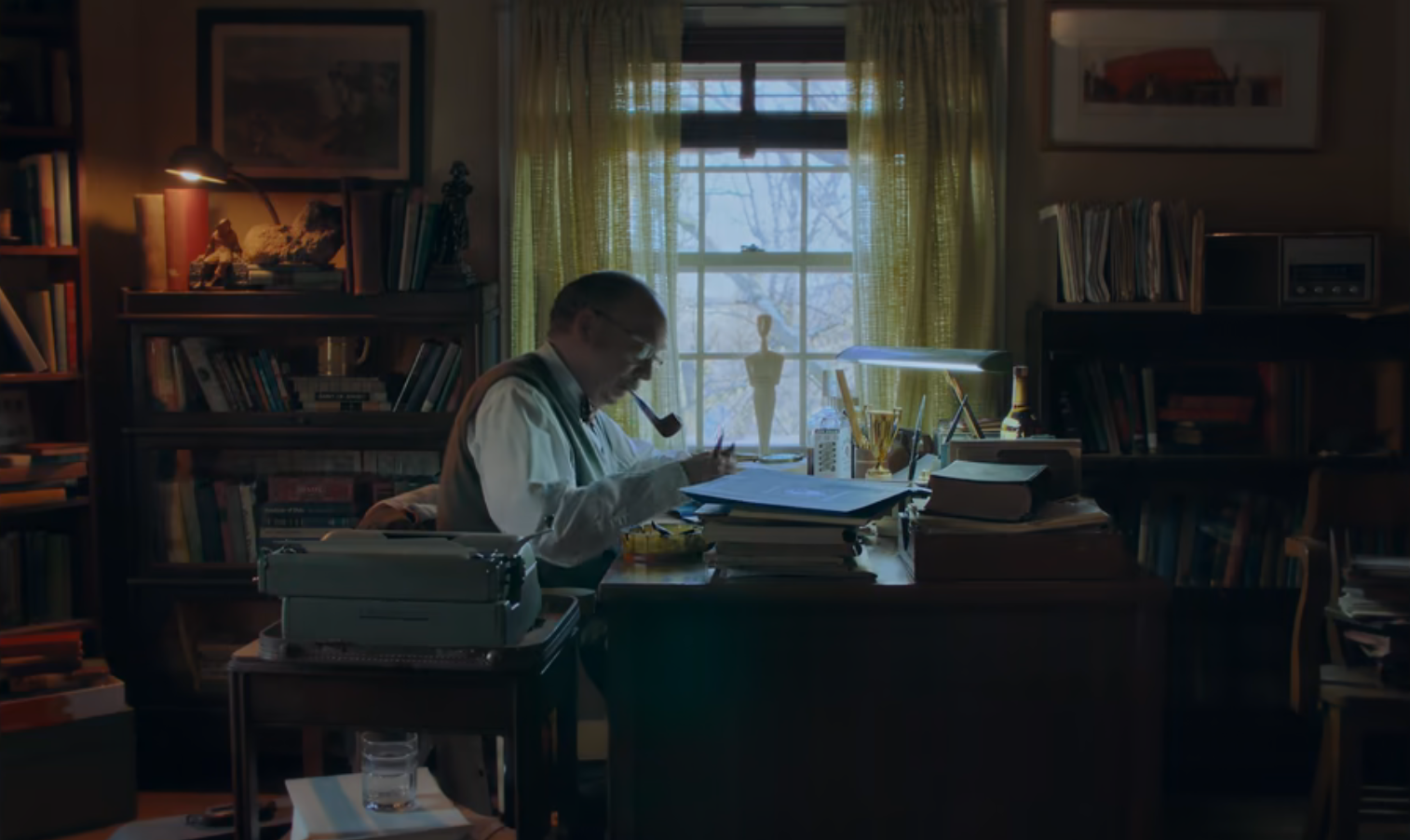
Classics teacher Paul Hunham grades papers while muttering about his “lazy, vulgar, rancid little Philistines” of students. The book-stuffed office, the whiskey, and the worn corduroy leave us wondering whether he’s a genuine tortured scholar… or if he’s desperate to conform to it. As he grinds away, boys race through the halls getting ready for Christmas break – a sharp foil to his stuffy routine. It’s the film’s thesis image: a man soured by his own bitterness.
Miss Lydia Crane, assistant to headmaster Dr. Woodrup, summons Paul. He turns down her offer of Christmas cookies, immediately establishing him as someone incapable of processing warmth even when it’s offered on a plate.
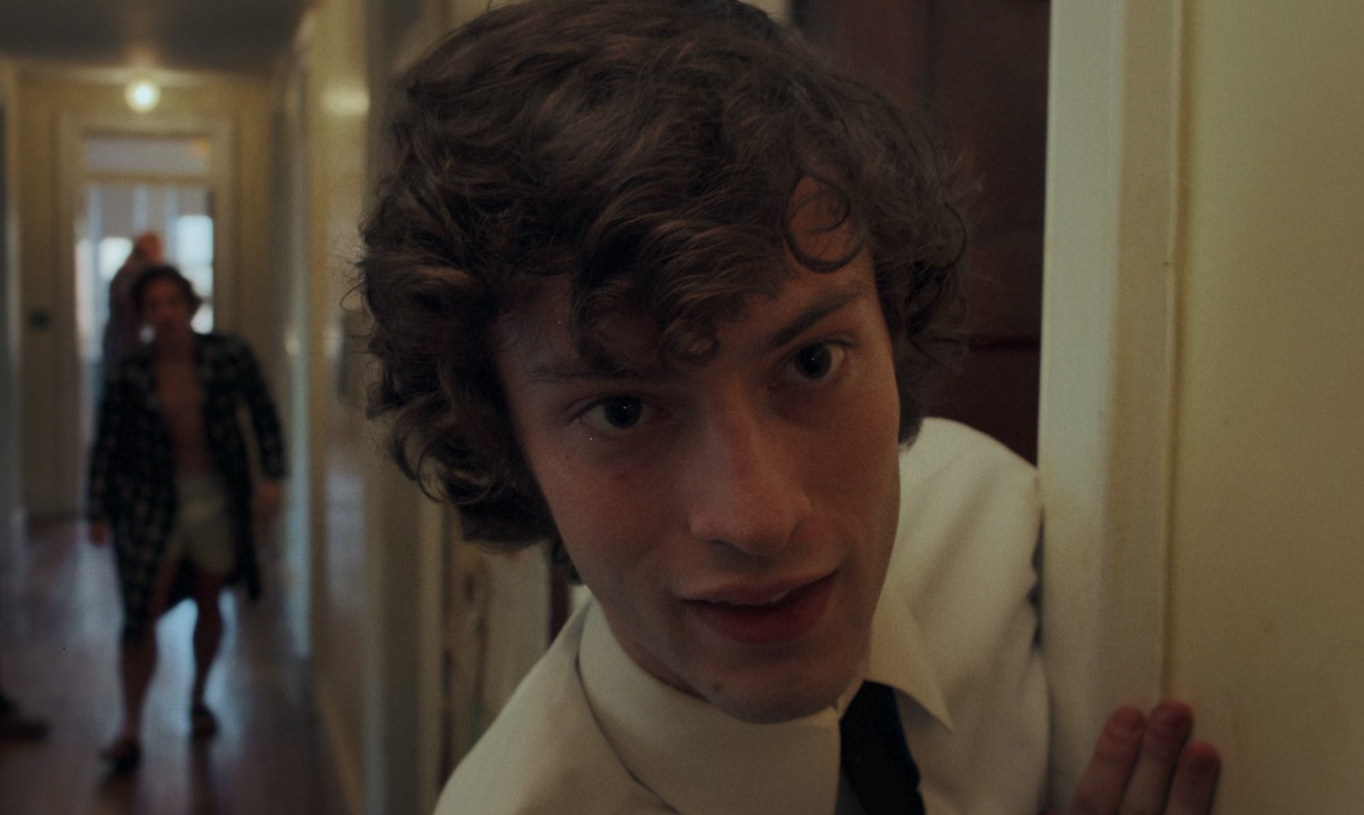
In the dorms, Angus Tully packs for his tropical St. Kitts vacation, flaunting his privilege in front of the kids stuck on campus for the holidays – the “holdovers.” His persona is curated: smart and introspective, but with just enough rebellious edge to stay socially credible.
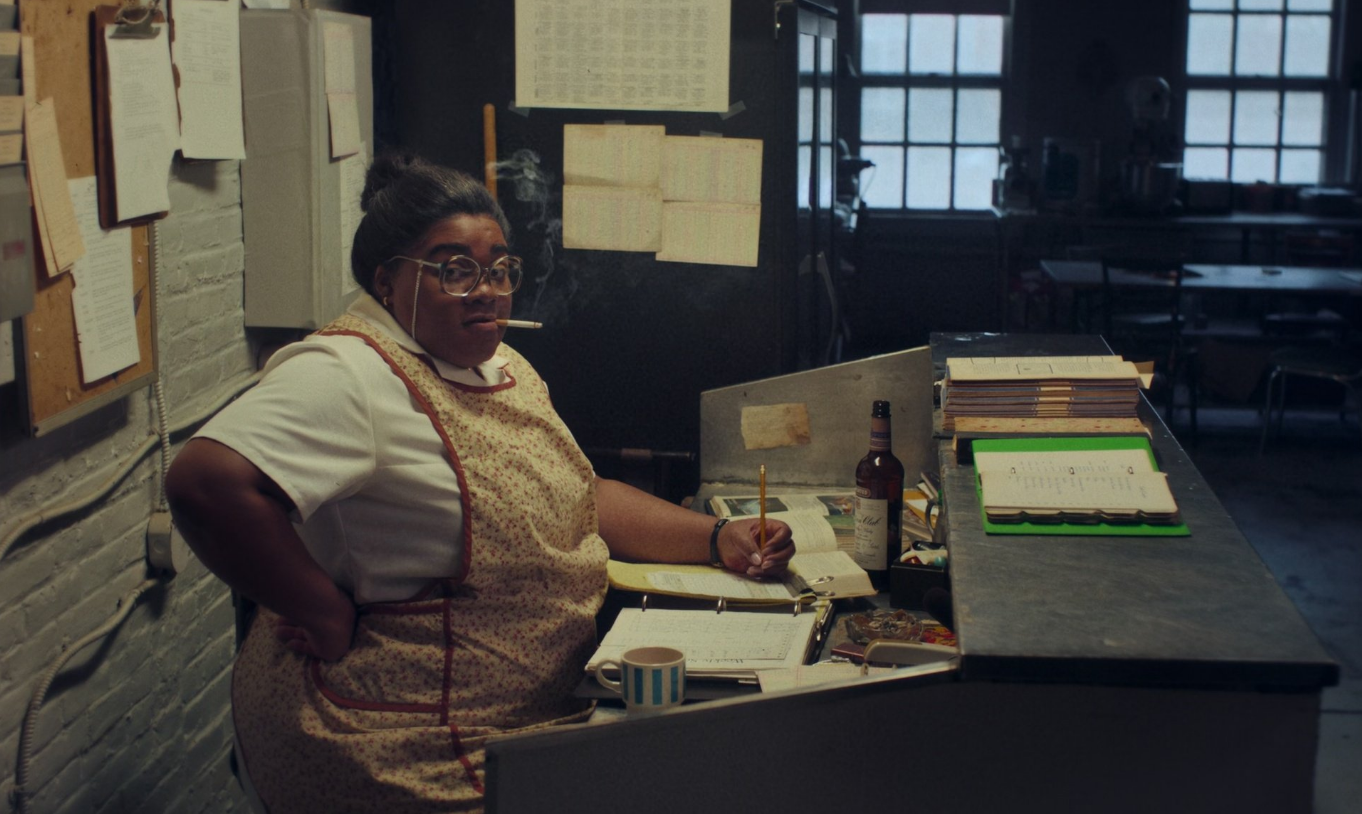
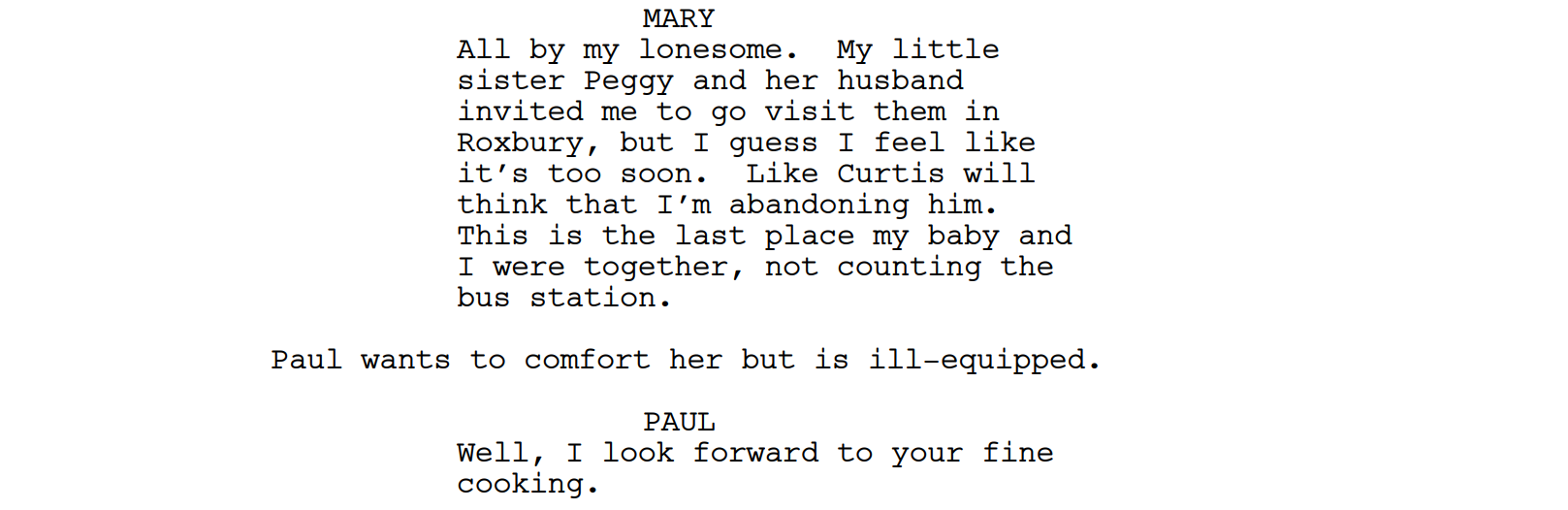
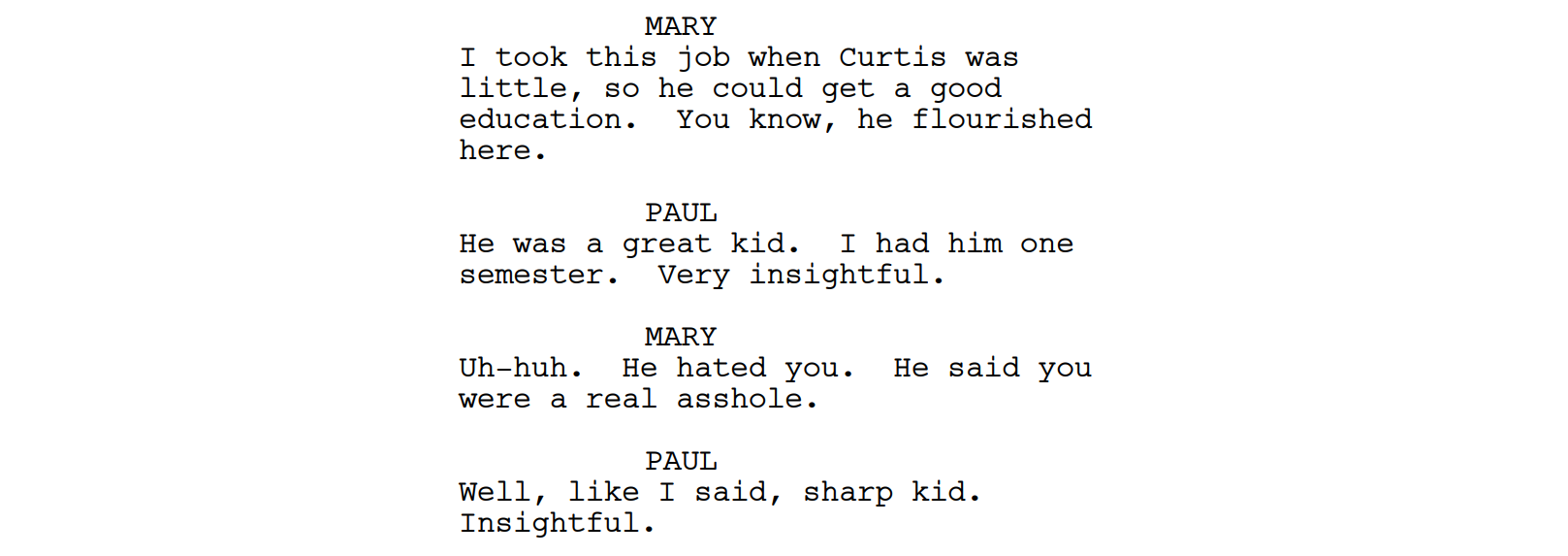
We meet Mary Lamb, the head cook who recently lost her son (and Barton student) Curtis in Vietnam. Unlike Paul and Angus, she runs parallel to the school. Her restrained grief points to the film’s concerns with class, loss, and institutional neglect.
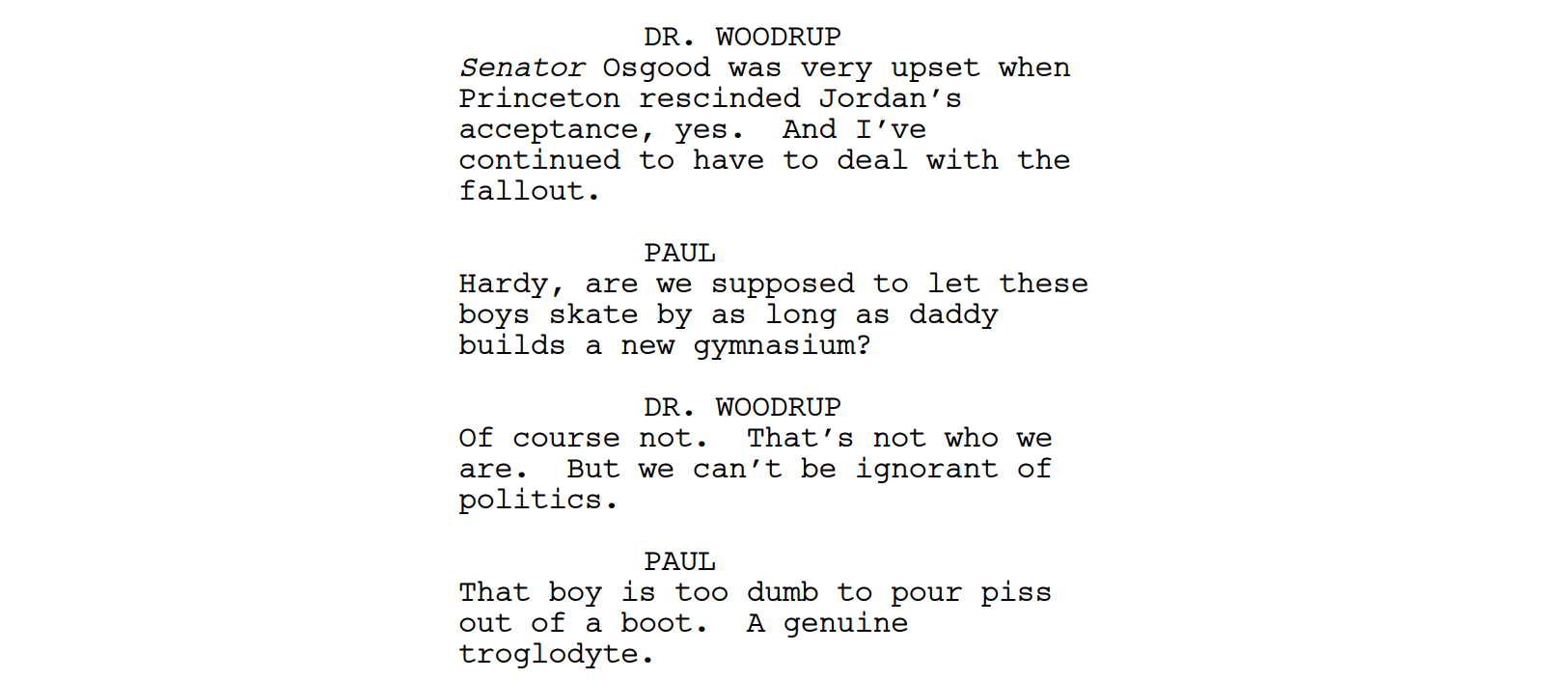
Paul meets Headmaster Woodrup, who informs him he must stay at Barton over the holidays to supervise the remaining students – a punishment for the costly political indiscretion of flunking a major donor’s son. Woodrup rubs salt in the wound, suggesting Paul “didn’t have plans anyway.”
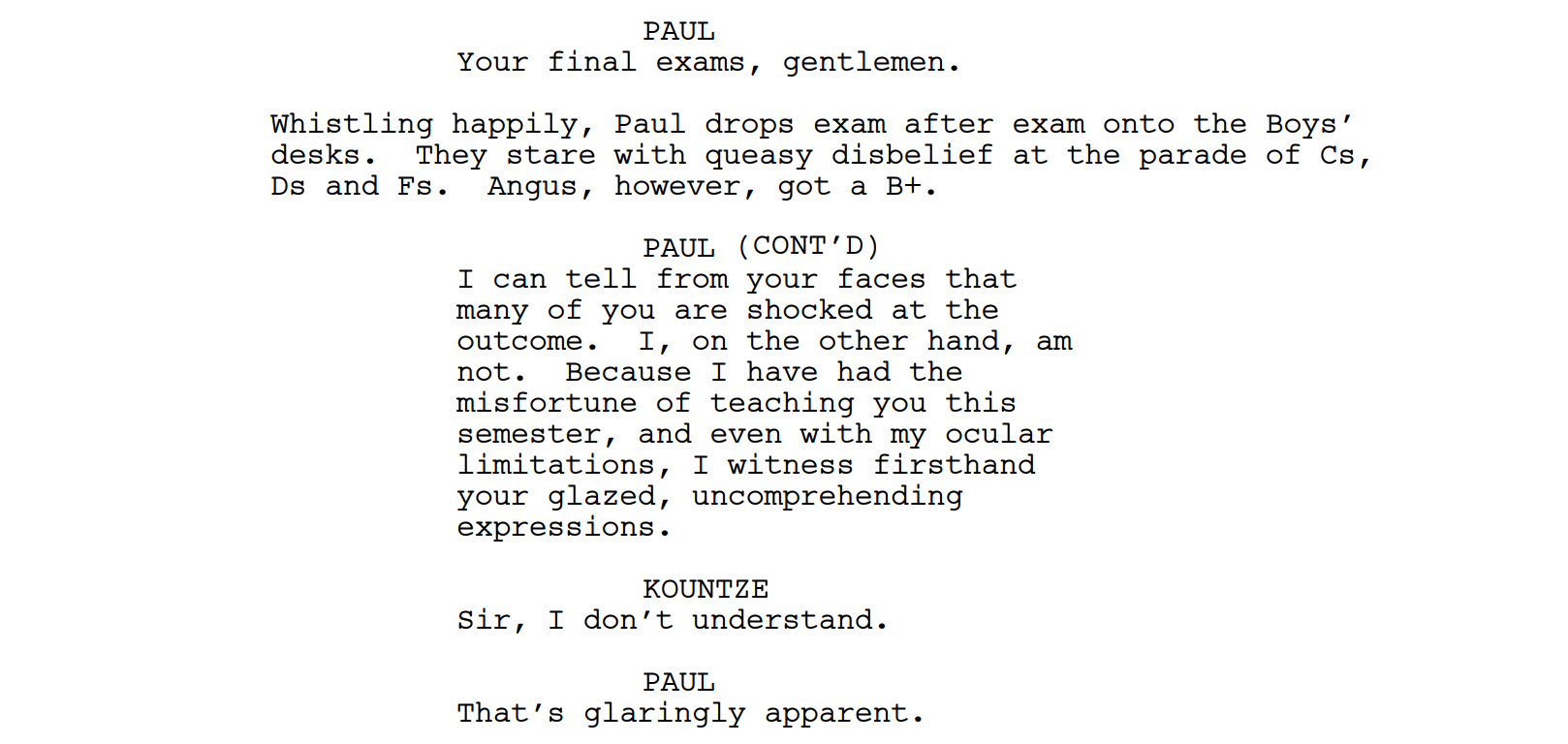
In class, most everyone has failed their final exams. Angus’ smart-aleck antics earn the group extra holiday reading, souring everyone’s mood, especially his rival Teddy Kountze.
INCITING INCIDENT
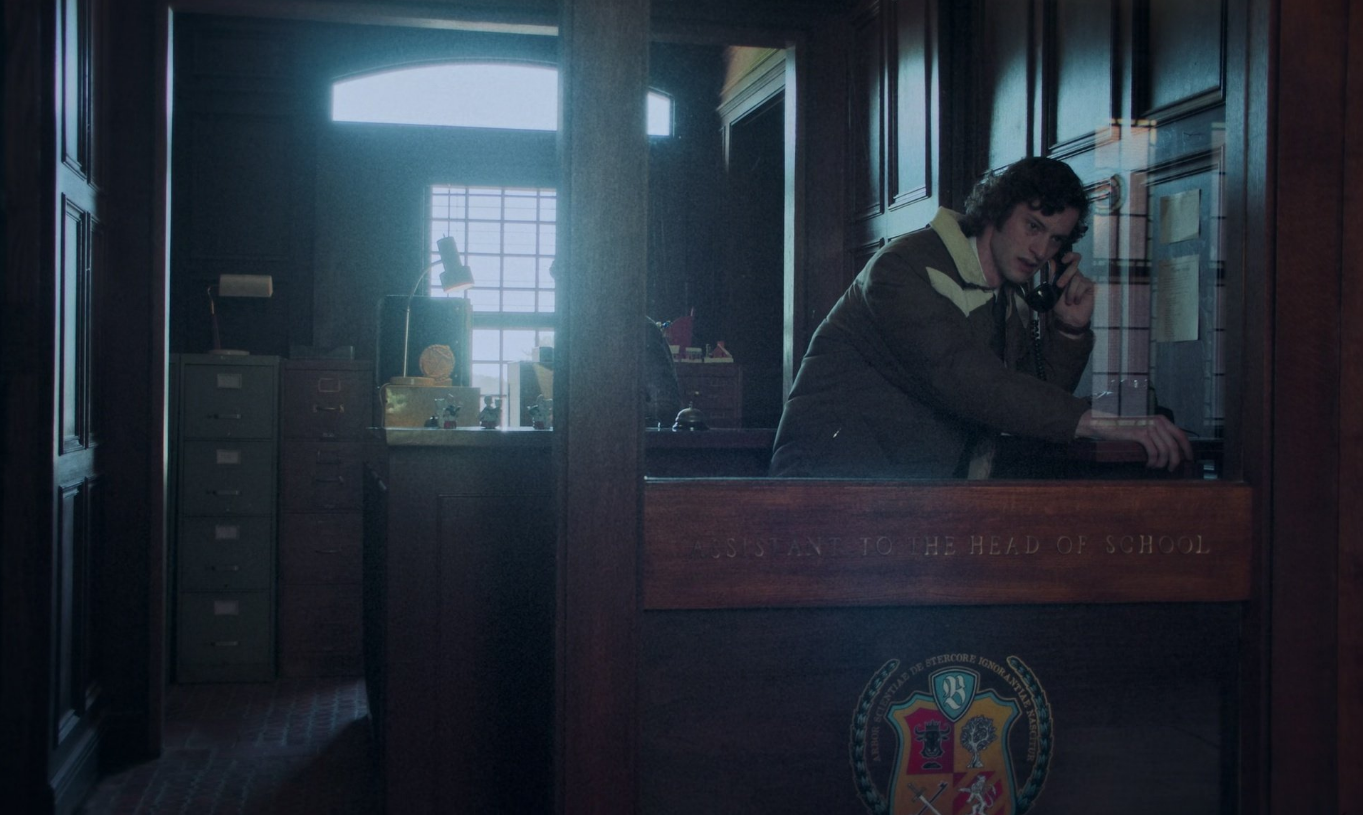
As chapel is dismissed, Angus’ plans collapse: his mother and new stepfather call to tell him they’re taking a belated honeymoon without him. He must stay at school for Christmas. The performance of standoffish swagger he puts on is designed to hide his neglect from his peers.
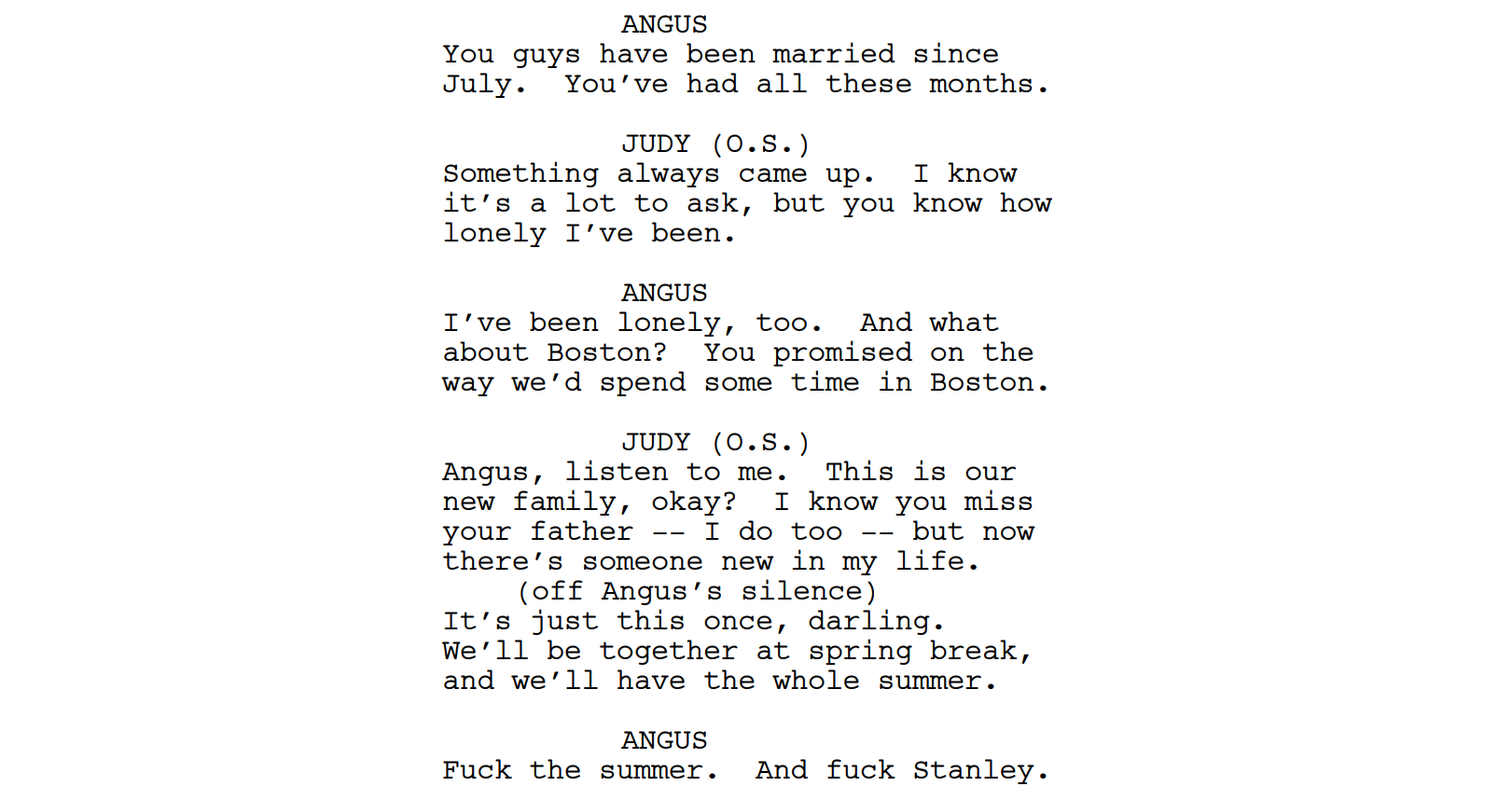
The school empties as wealthy families arrive in Jaguars and Mercedes to take their sons home. Angus stays behind, and the collision course of our emotional triptych comes into focus: Paul with responsibility for the boys, Angus with the sting of abandonment, and Mary with the grief of losing her son.
DEBATE
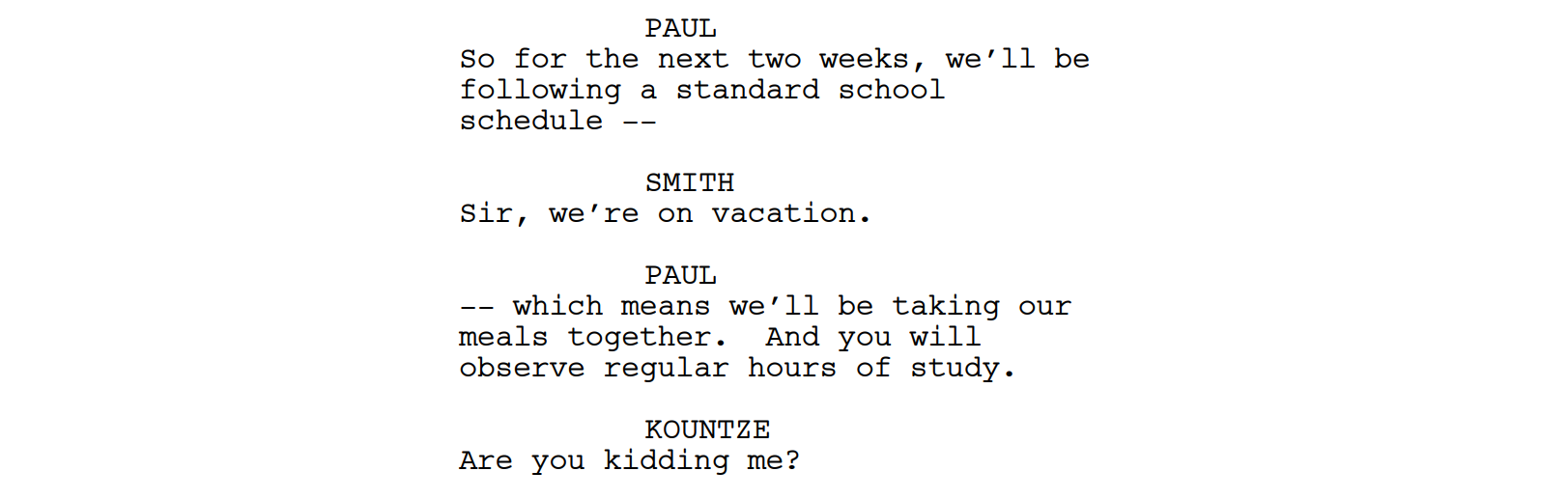
The five Holdovers – Angus, Kountze, Jason (a popular senior jock), Park (an innocent Korean student), and Alex (the youngest) – are called by Paul. Believing discipline is salvation, he enforces a strict schedule: early wake-ups, study hall, exercise, tightly monitored recreation, and, worst of all, bunking together in the infirmary.
Angus and Paul dislike each other instantly. In some ways, Angus feels like a younger version of Paul, and that similarity fuels the conflict: two men stuck together, both wrestling with abandonment, entitlement, and prickliness.
The students debate how to survive Paul’s reign, while he strategizes how to make them miserable. Mary’s arc begins when she notices Angus’ pain and Paul’s emotional failings, hinting at her role as the bridge between them.
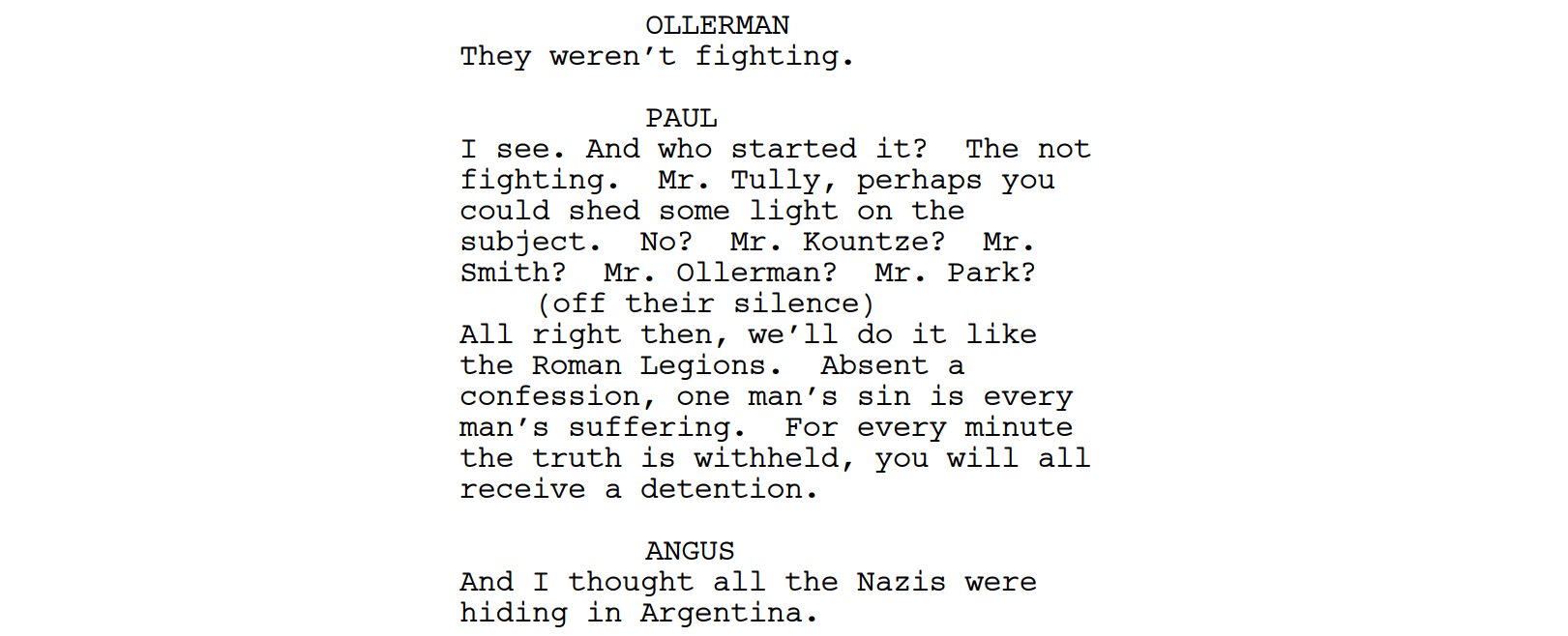
Angus takes an offensive position, taunting Kountze and testing Paul at every turn. Paul retaliates with strict discipline and borderline-cruel routines. Behind the scenes, his physical fragility shows through coughing fits and heavy drinking.
Mary challenges Paul’s harshness. The film posits whether he will evolve compassion or simply crush the boys’ spirits. Right now, he’s not even apologetic for being a tyrant, he relishes it.
Meanwhile, Angus bonds with the vulnerable Park, comforting him after a nightmare and helping hide his wet bedsheets – showing Angus’ capacity for kindness.
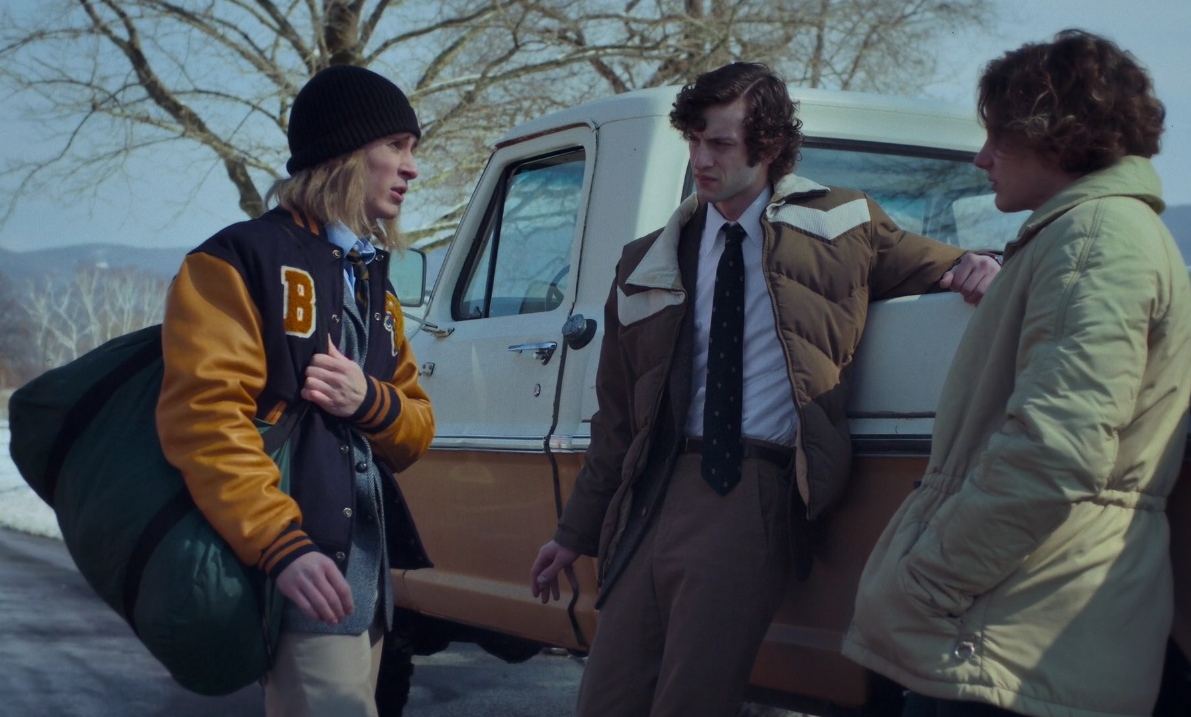
The Holdovers dream of escape. We learn Angus has been expelled from three schools before Barton, and one more could send him to Fork Union, a military academy. The stakes are clear: if he can’t curb his rebellious streak, he’s going to be goosestepping.
BREAK INTO TWO
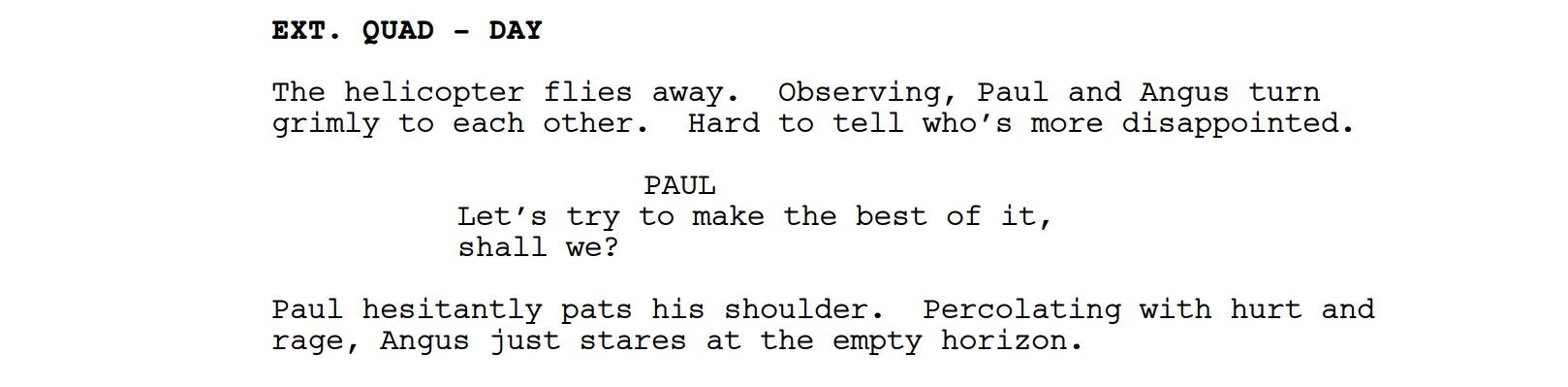
Things worsen for Angus when Jason’s father arrives by helicopter, extracting everyone but him – his parents’ permission outstanding. He’s left alone, the sole student under Paul’s care, watching another exodus unfold.
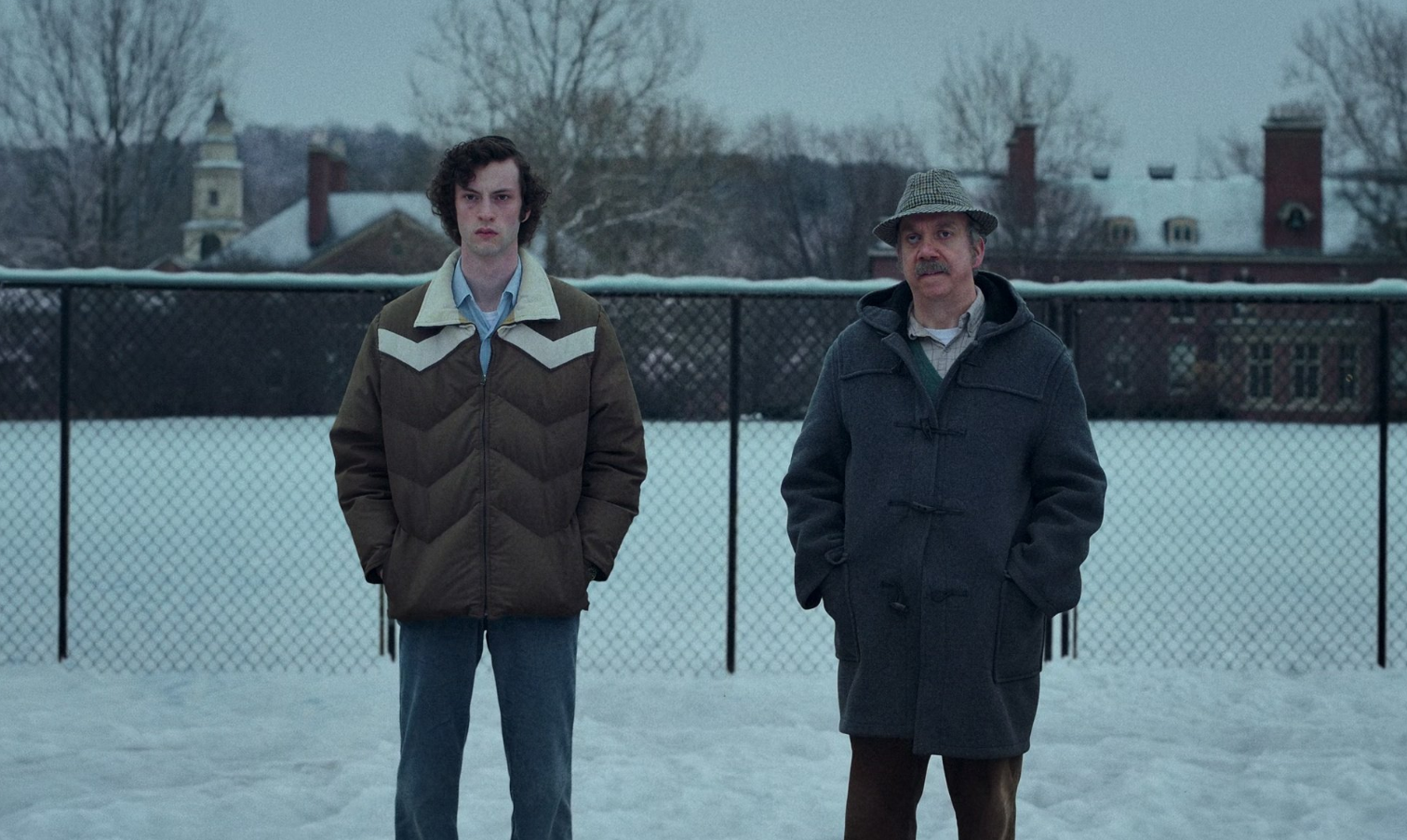
Even Paul now takes pity on Angus, which only serves to make him more belligerent.
FUN AND GAMES
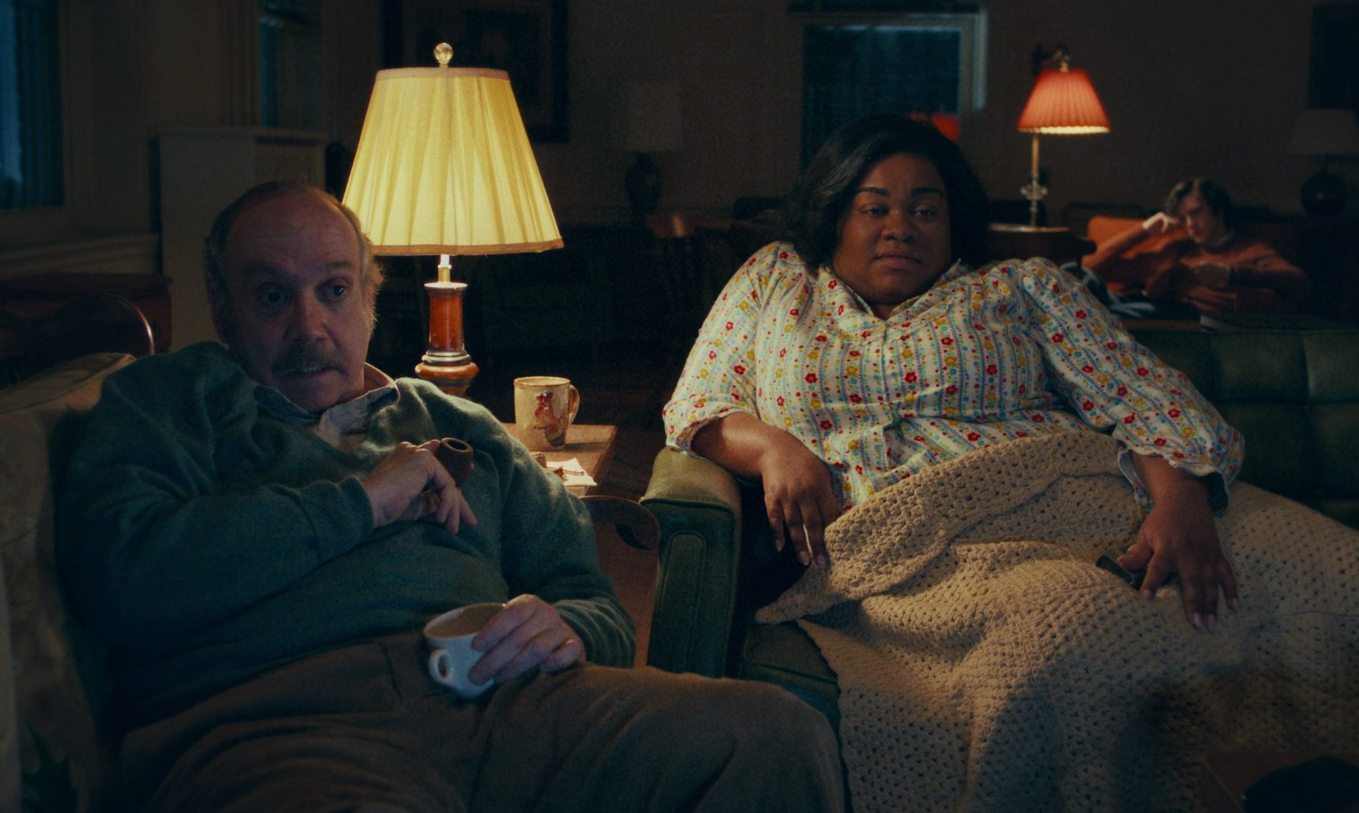
Paul and Mary continue to bond, his introspection provoked by her sharp critiques. We see ambition beneath Paul’s cynicism – he dreams of one day writing a monograph. His torment of Angus proves futile, failing to ease his own loneliness. He offers Miss Crane’s cookies as a peace gesture, but Angus rejects them and flees to the gymnasium, where he horribly dislocates his arm on a pommel horse.
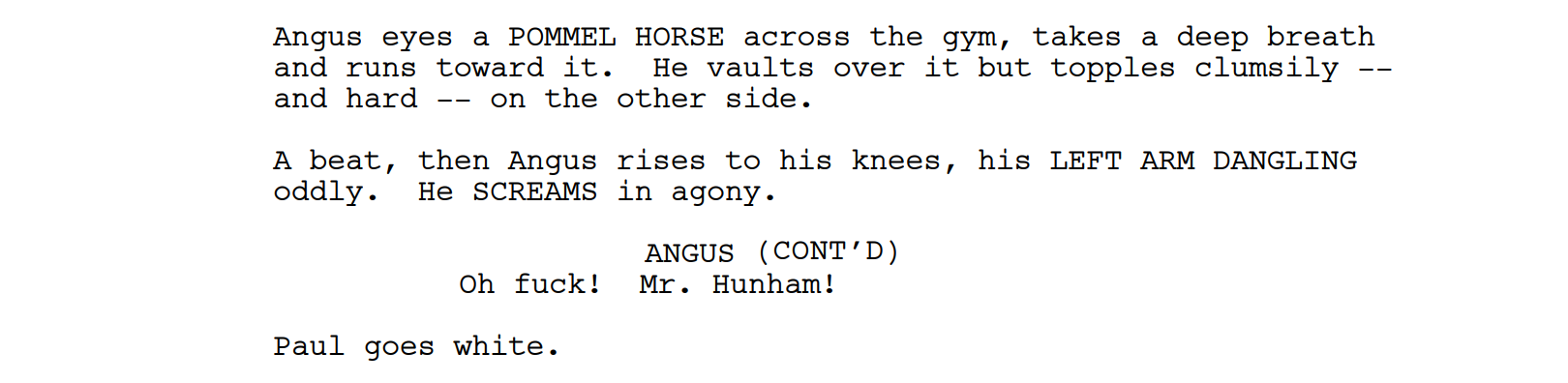
With Angus’ arm dangling, Paul rushes him to the hospital, dreading Woodrup’s reaction. Angus surprises Paul by protecting him, telling hospital insurance he slipped playing hockey. Paul’s ‘Barton men don’t lie’ is a critique disguised as thanks. Their antagonism cracks: Paul sees Angus’ vulnerability, Angus sees how much Paul fears life without the structure of institution, and a tentative alliance is born.
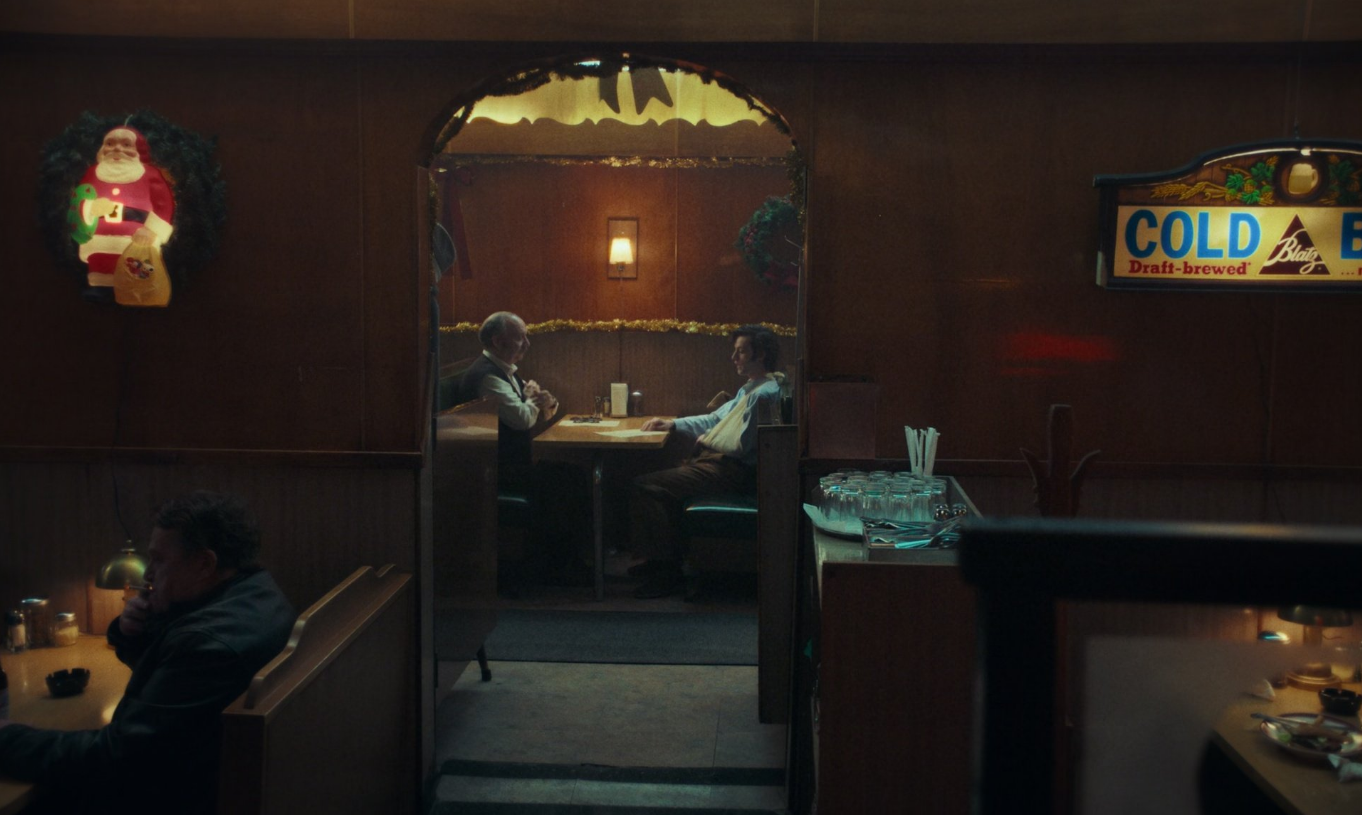
They go out to a local diner, where Paul spots Miss Crane picking up some shifts. Angus deduces Paul’s obvious feelings for her, which are denied. Medicated from his accident, Angus grows scathing of Dr. Woodrup – a former pupil of Paul’s – adding some contention to their professional history. Angus insults some locals, nearly sparking a fight, but Paul defuses it by buying them beers, much to Angus’ annoyance.
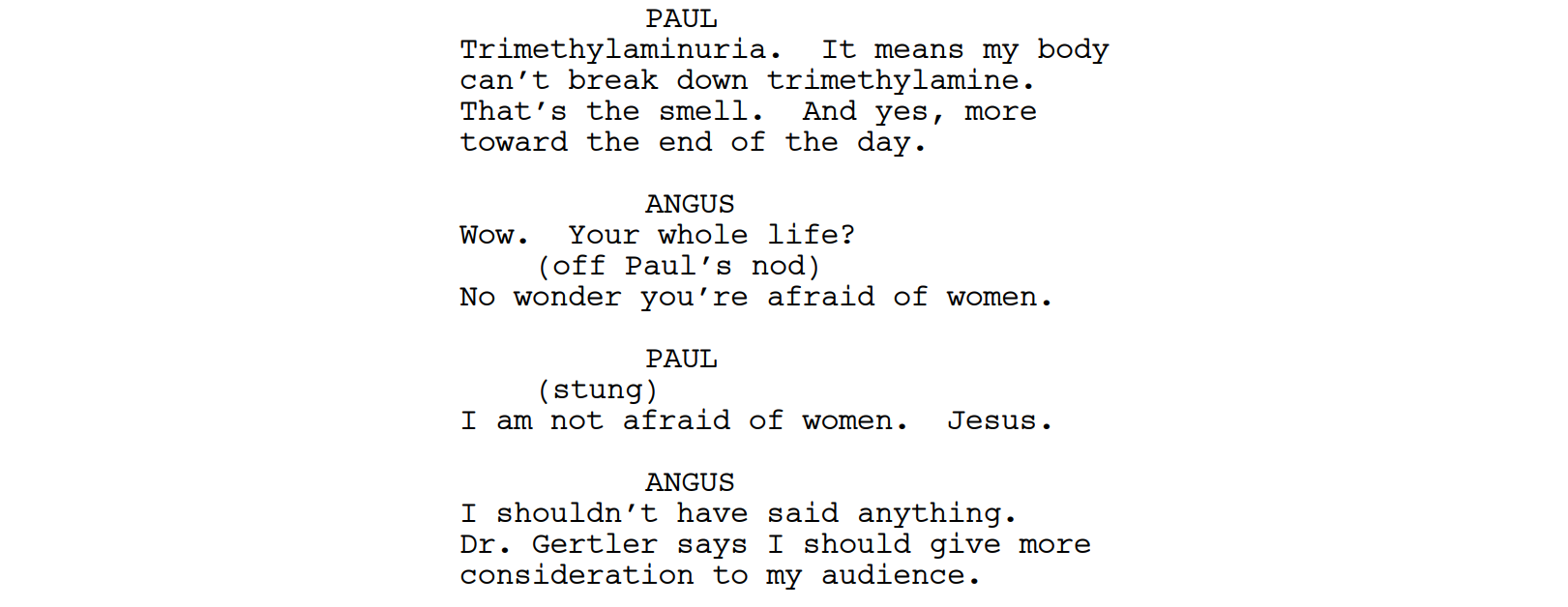
As if he’s reluctant of their growing camaraderie, Angus tells Paul that he smells, which he’s informed is a side effect of Trimethylaminuria, one of various conditions he suffers from. Angus feels bad, invites Paul to return an insult. Paul doesn’t, though he has plenty of comments in his mind. This establishes an ongoing pattern of teasing and challenge.
As the story morphs into exploration of their fast-changing relationship, we’re given many low-key moments of free-floating exploration. The abandoned, snow-covered campus. Angus drinks sacramental wine. Breaks bread with a custodian, Danny. Plays piano in an empty auditorium. Wanders the campus at night. Paul drinks, loosens up, shares unexpected confessions with Mary, and slowly unfreezes.
MIDPOINT
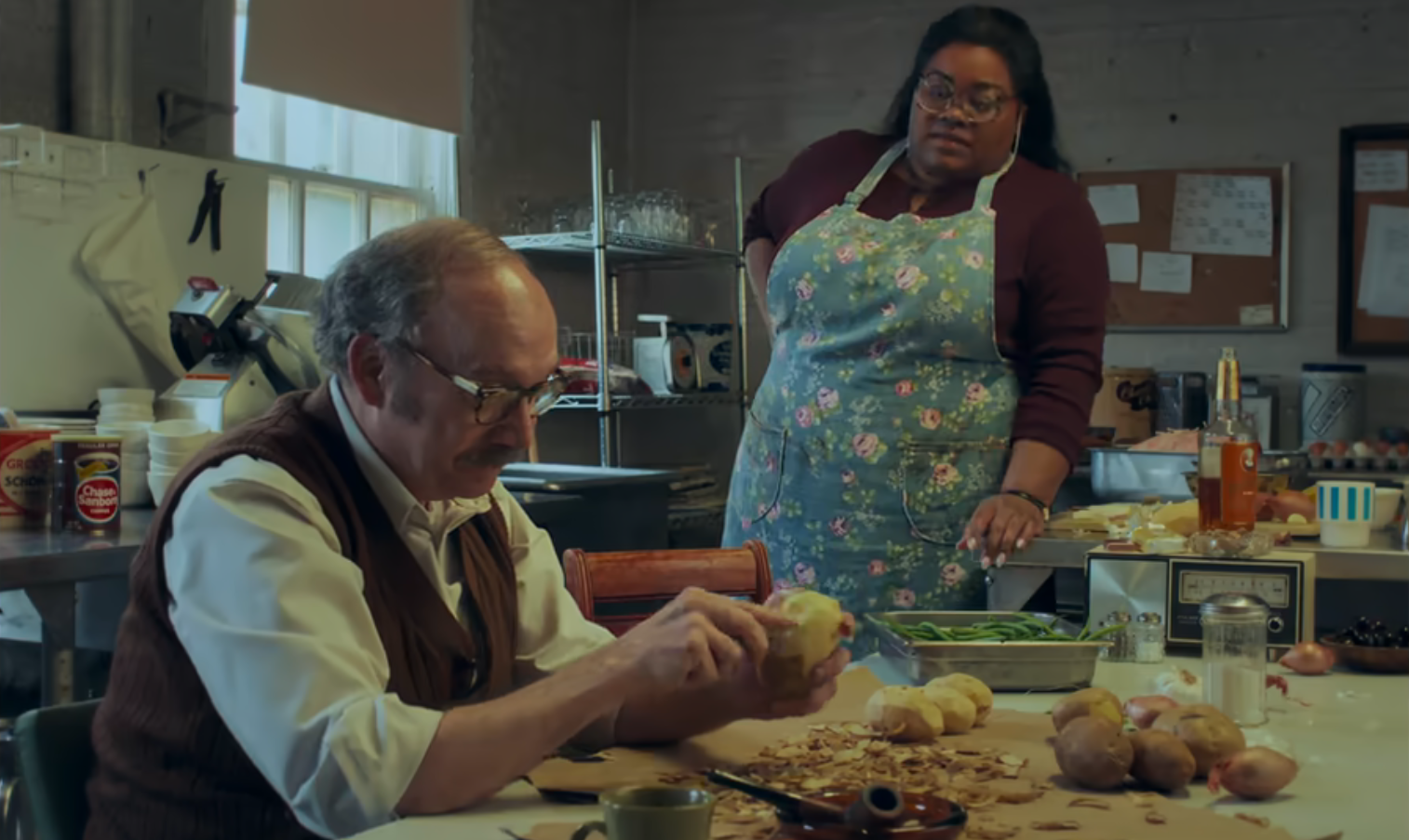
On Christmas Eve, Paul helps Mary prepare dinner. We learn all three Holdovers are invited to a party at Miss Crane’s house, and Paul tries to prevent Angus from going.
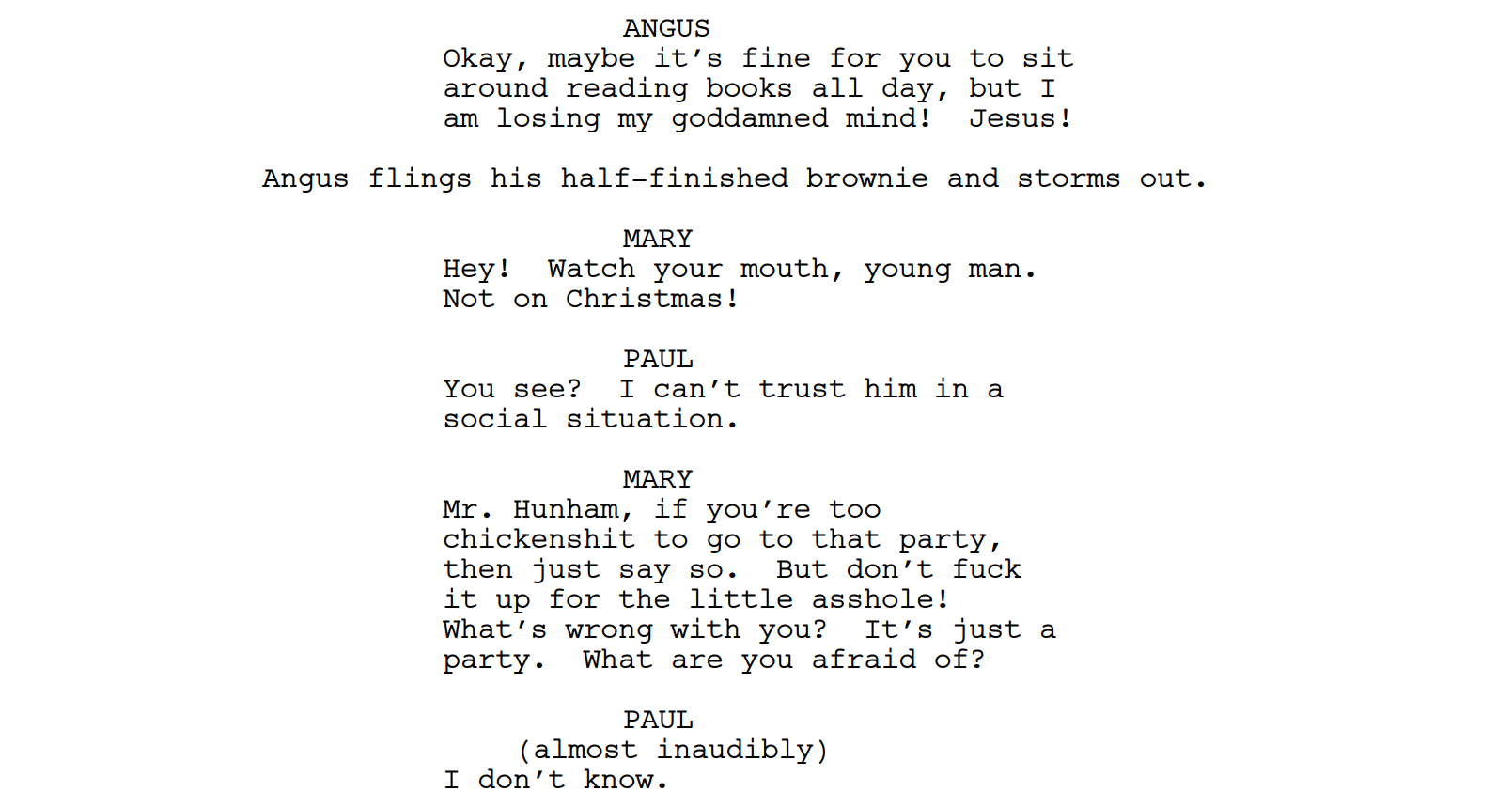
But Mary insists, and Paul acknowledges that it’s his own insecurities that prevent him wanting to attend. Wrestling with a fear of missing out (and intrigued by Miss Crane) he agrees they can go.
BAD TO WORSE
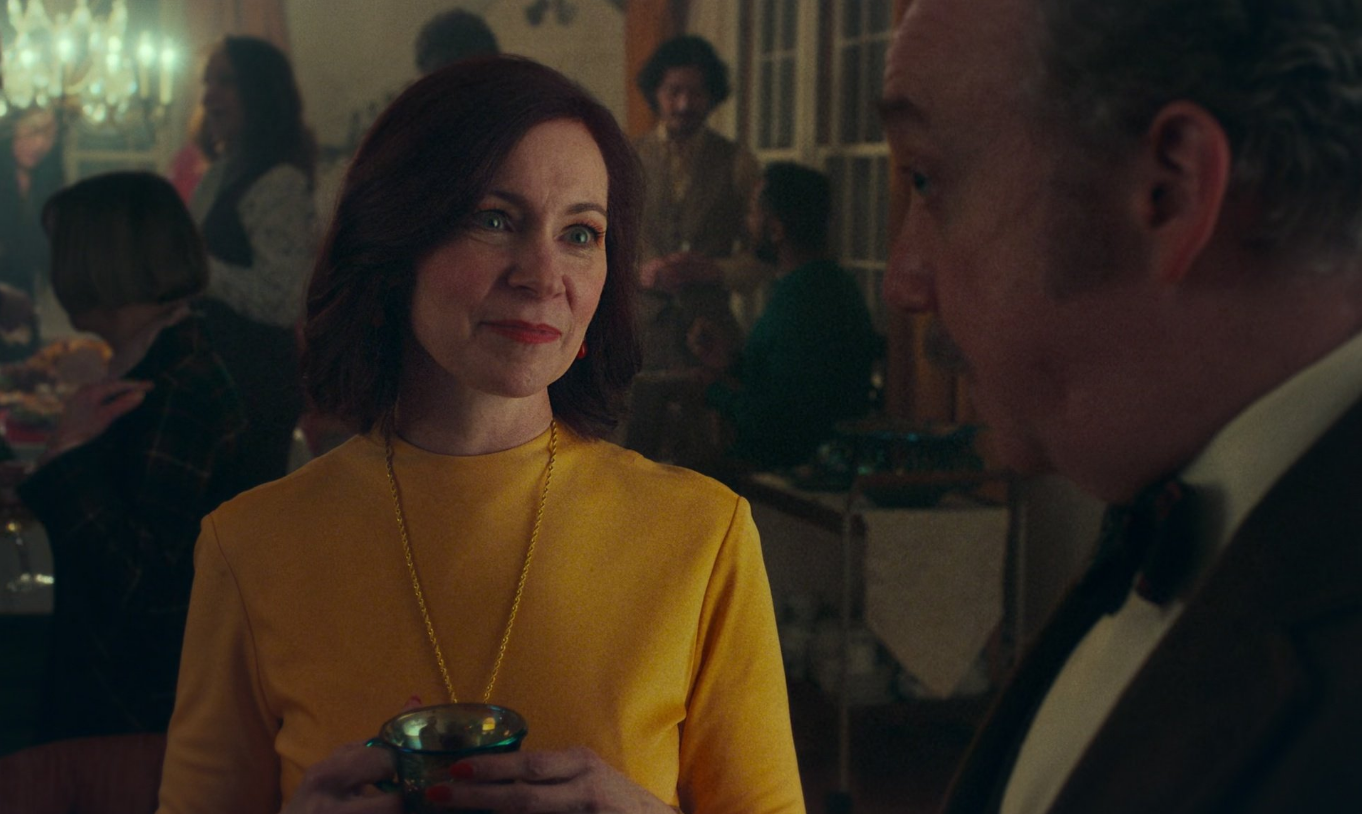
They arrive at the party like a cobbled-together found family. Angus meets Miss Crane’s niece Elise, enjoying a peer to talk to, and they share a first kiss. Mary flirts with custodian Danny. With these sparks and Paul’s soft spot for Miss Crane, love is in the air and beneath the mistletoe.
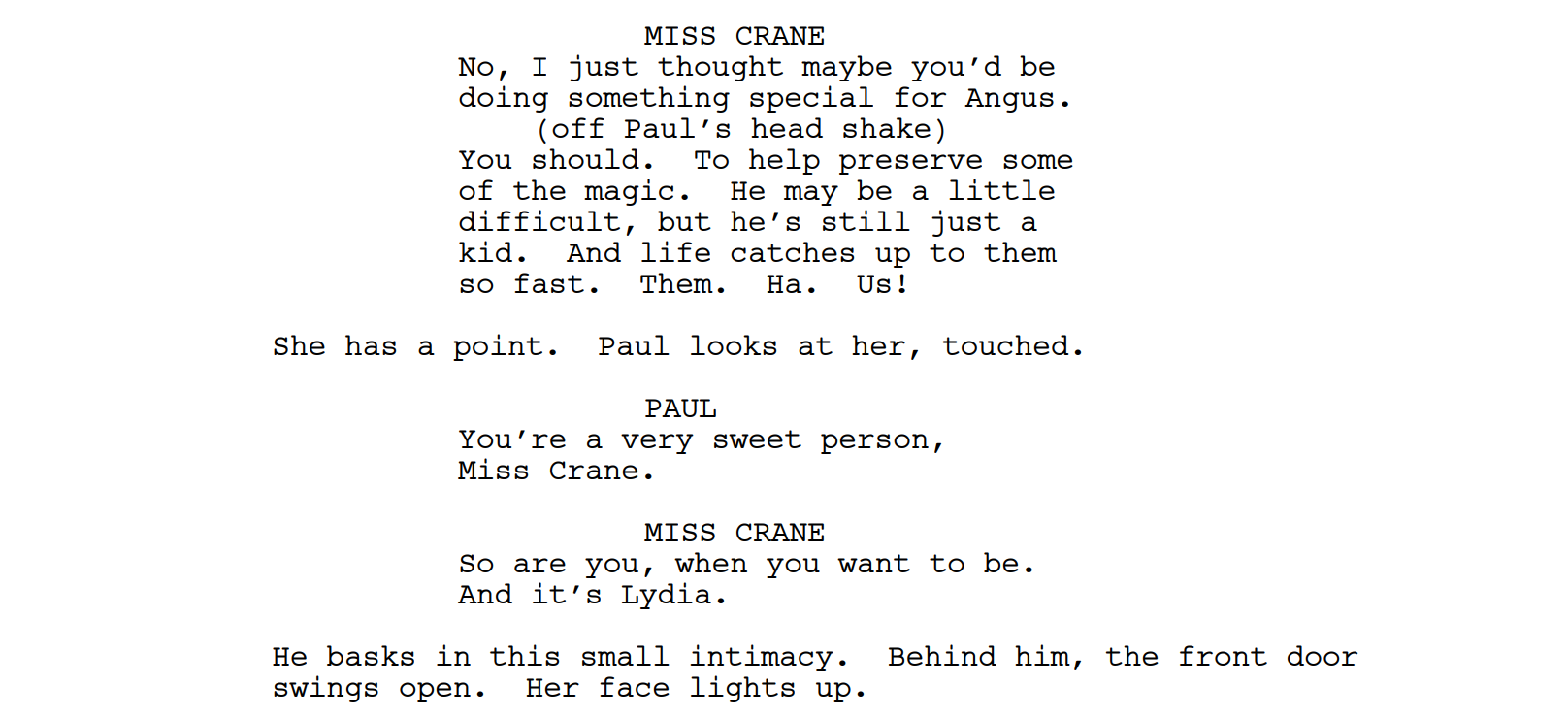
Things unravel: a slightly drunk Mary hears a song she and her son once danced to, seizes up, and shuts out Danny. Paul discovers Miss Crane has a handsome boyfriend. Mary breaks down, causing a scene. They leave tangled in emotions, Paul berating Angus for enjoying himself. The progress they’d made feels undone, a reminder of how fragile their balance is.
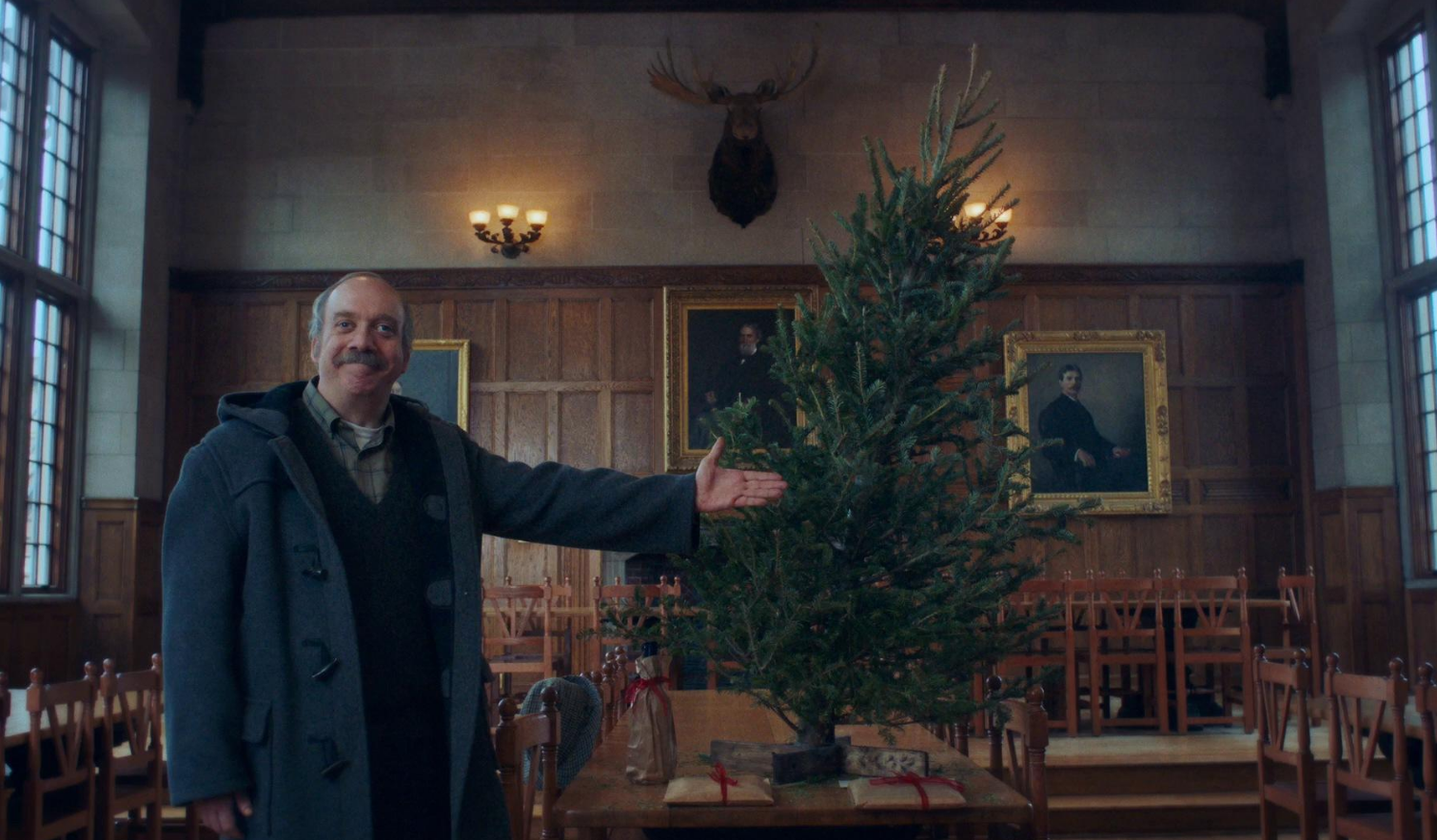
Christmas morning arrives, blanketing everything in fresh snow. Following Miss Crane’s advice, Paul fetches a crooked tree. The trio gathers for breakfast, nursing hangovers and heavy hearts. Paul gives both a copy of Meditations by Marcus Aurelius. The sharp edges of the previous night soften over Christmas dinner. For Angus, it’s his first true family-style holiday. For Paul, it’s the first time he feels intentionally included. For Mary, she’s providing for a family again.
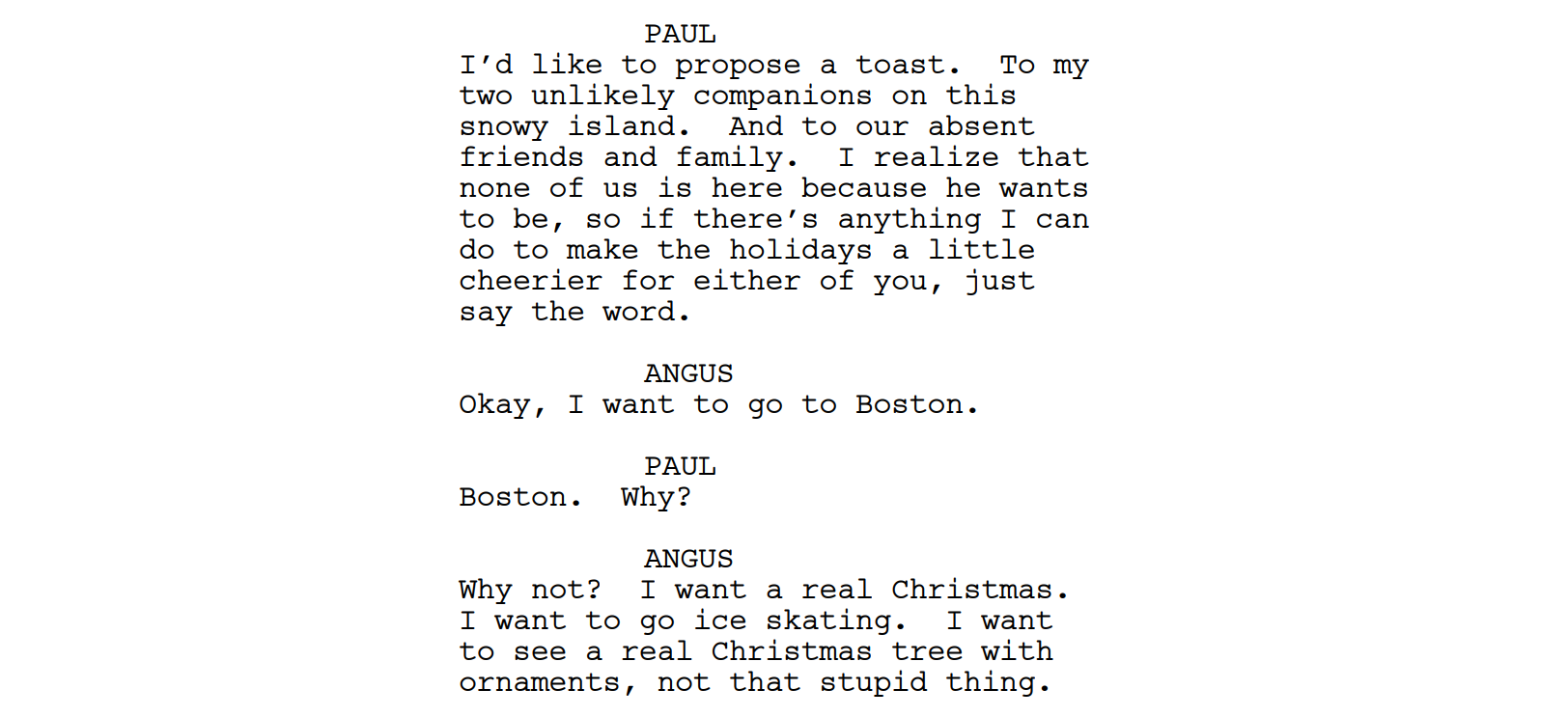
Angus becomes fixated on visiting Boston. Paul instinctively refuses, but soon thaws, misappropriating into funds set aside for extracurricular academic pursuits.
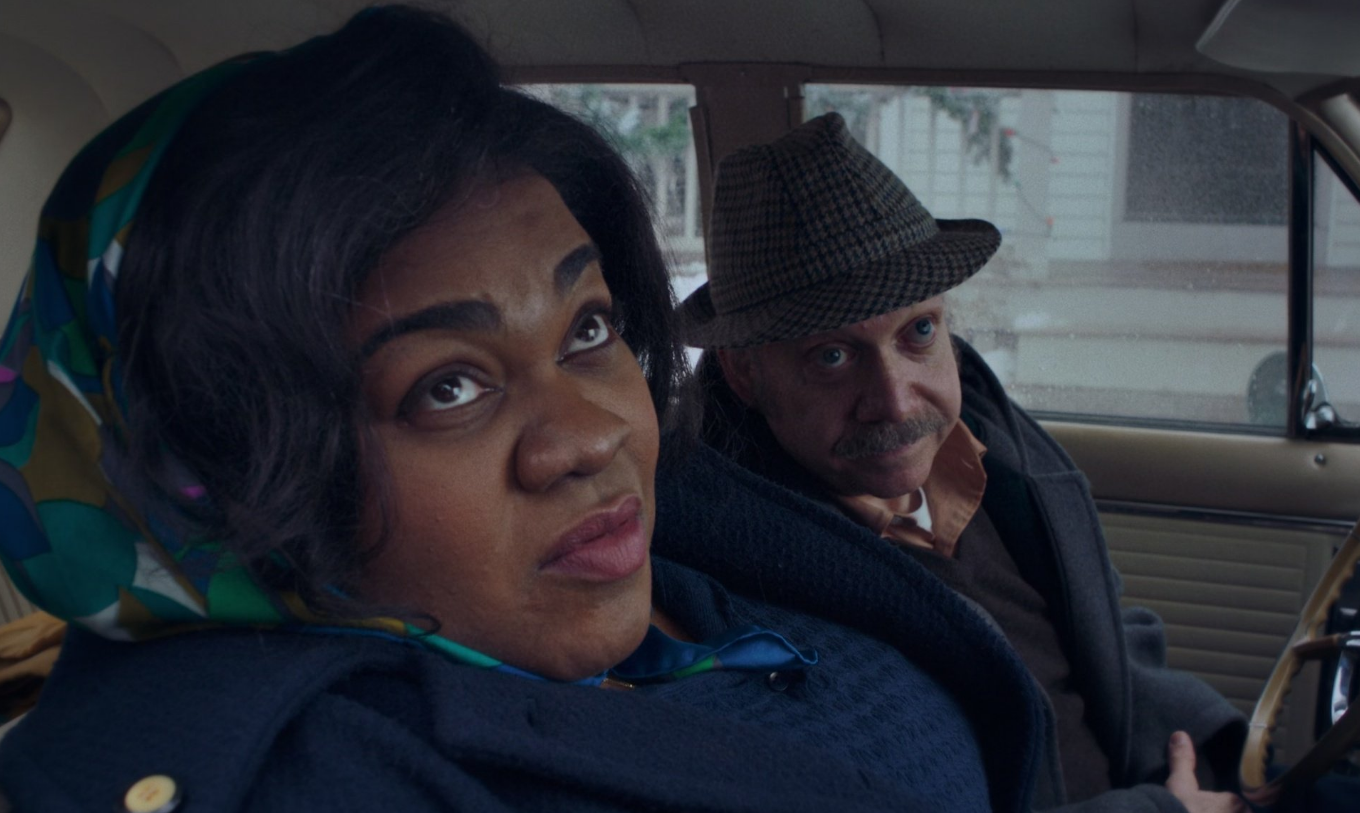
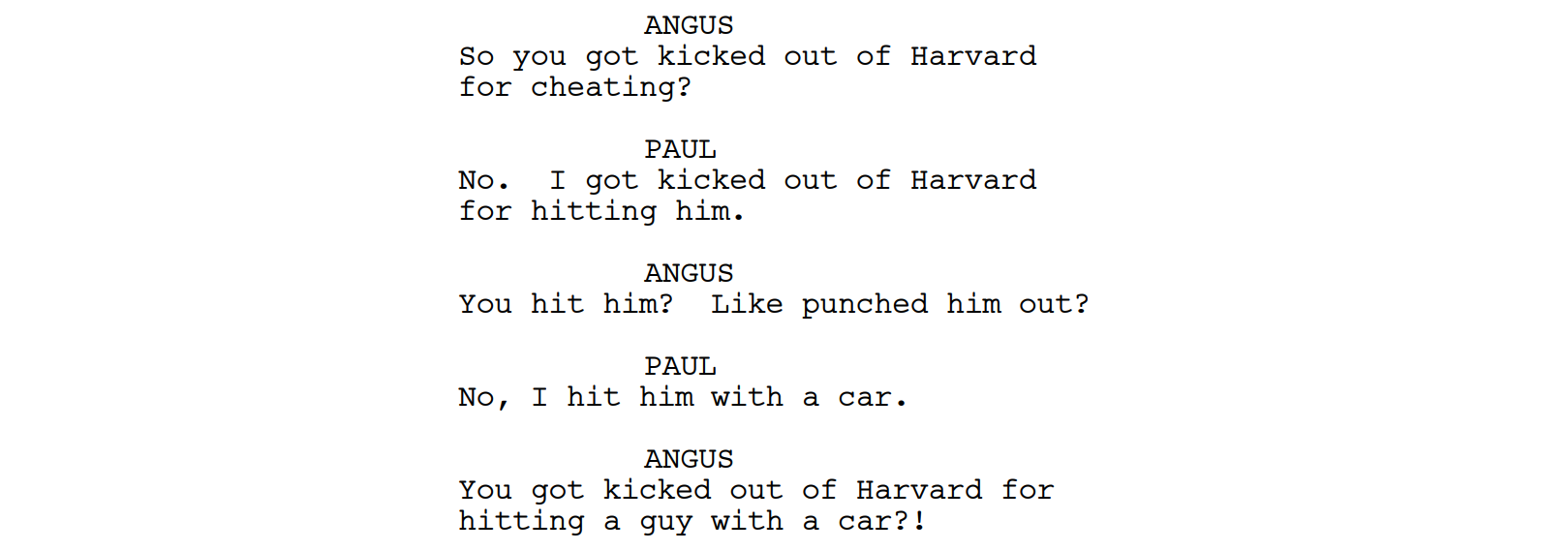
They escape the stifling campus and enter the bustling city. Mary visits her pregnant sister in Roxbury, reflecting painfully on her own motherhood. Angus and Paul attend the Fine Arts Museum and go ice skating. Paul runs into an old colleague and greatly exaggerates his academic record; Angus plays along, amused by the hypocrisy from the perpetuator of ‘Barton men don’t lie.’ Paul grows defensive, then admits he was accused of plagiarism at Harvard and later expelled for running down his accuser in a car.
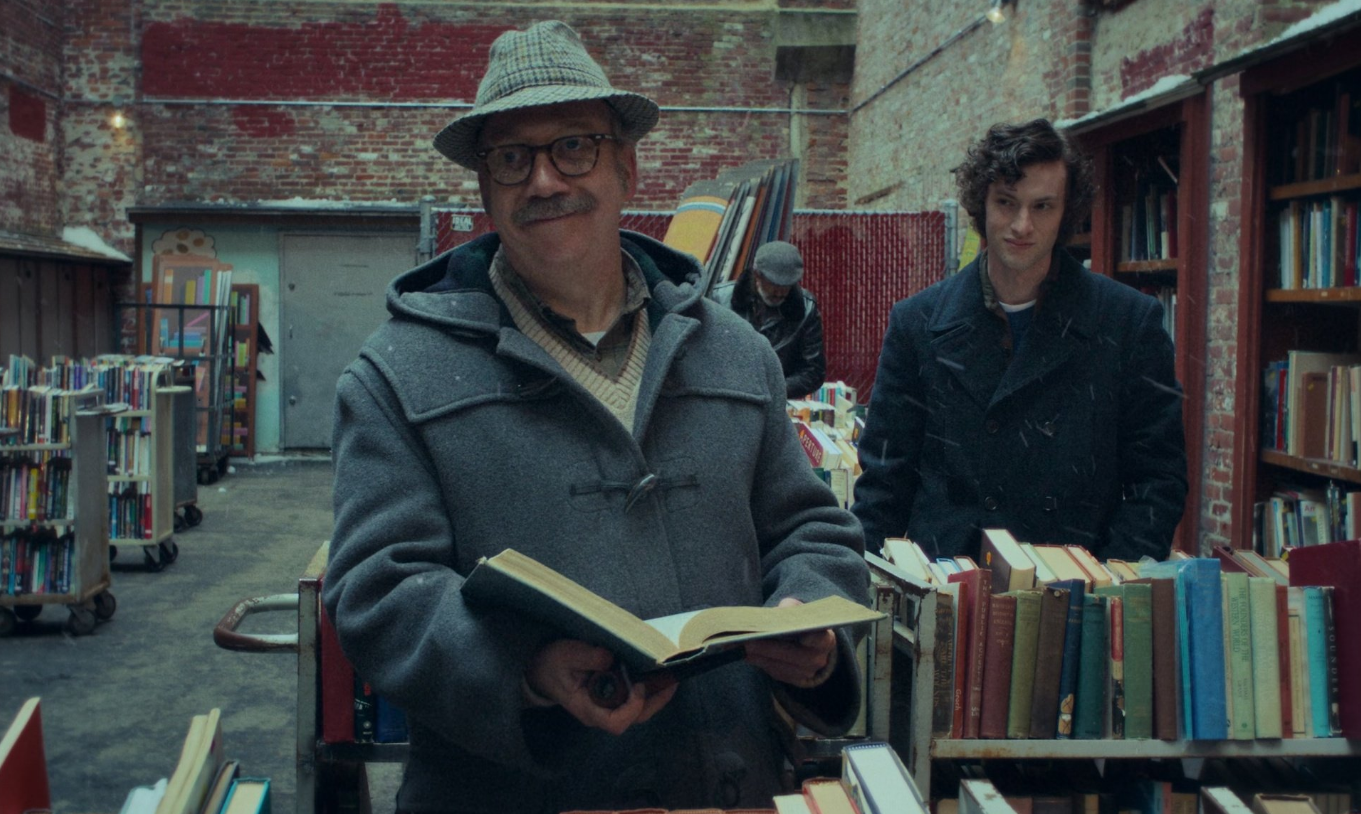
Angus has a newfound appreciation for Paul, who he now sees as a flawed human being rather than a tyrant. At a bowling alley, Hemingson draws further parallels between pupil and teacher by suggesting Angus could be ‘a pretty good teacher’ one day.
BREAK INTO THREE
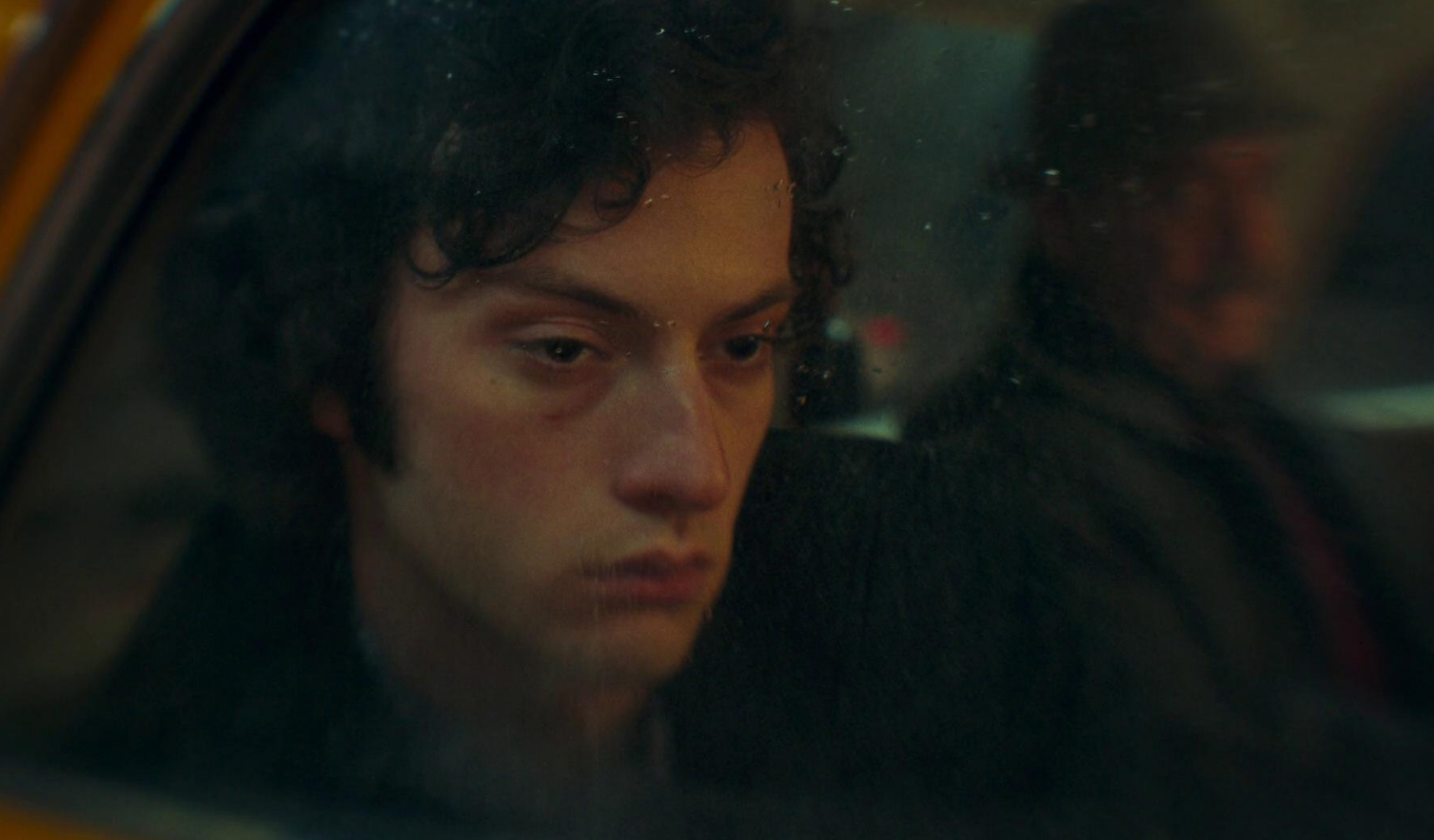
At a movie theatre, Angus excuses himself to the bathroom with the intention of disappearing.
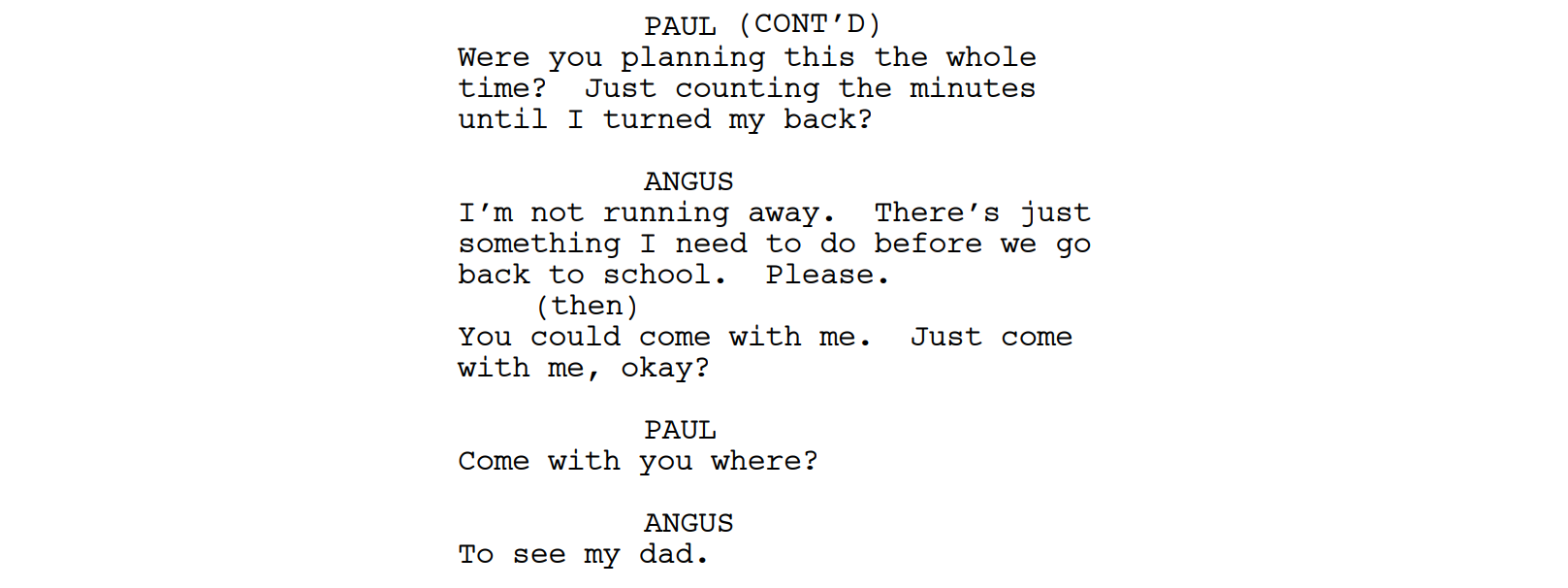
Paul catches him getting into a cab. He’s initially angered, believing Angus has misled him into thinking their relationship was progressing – but is sobered upon discovering that Angus is trying to visit his ailing father, who is still alive, contrary to prior understanding.
FINALE
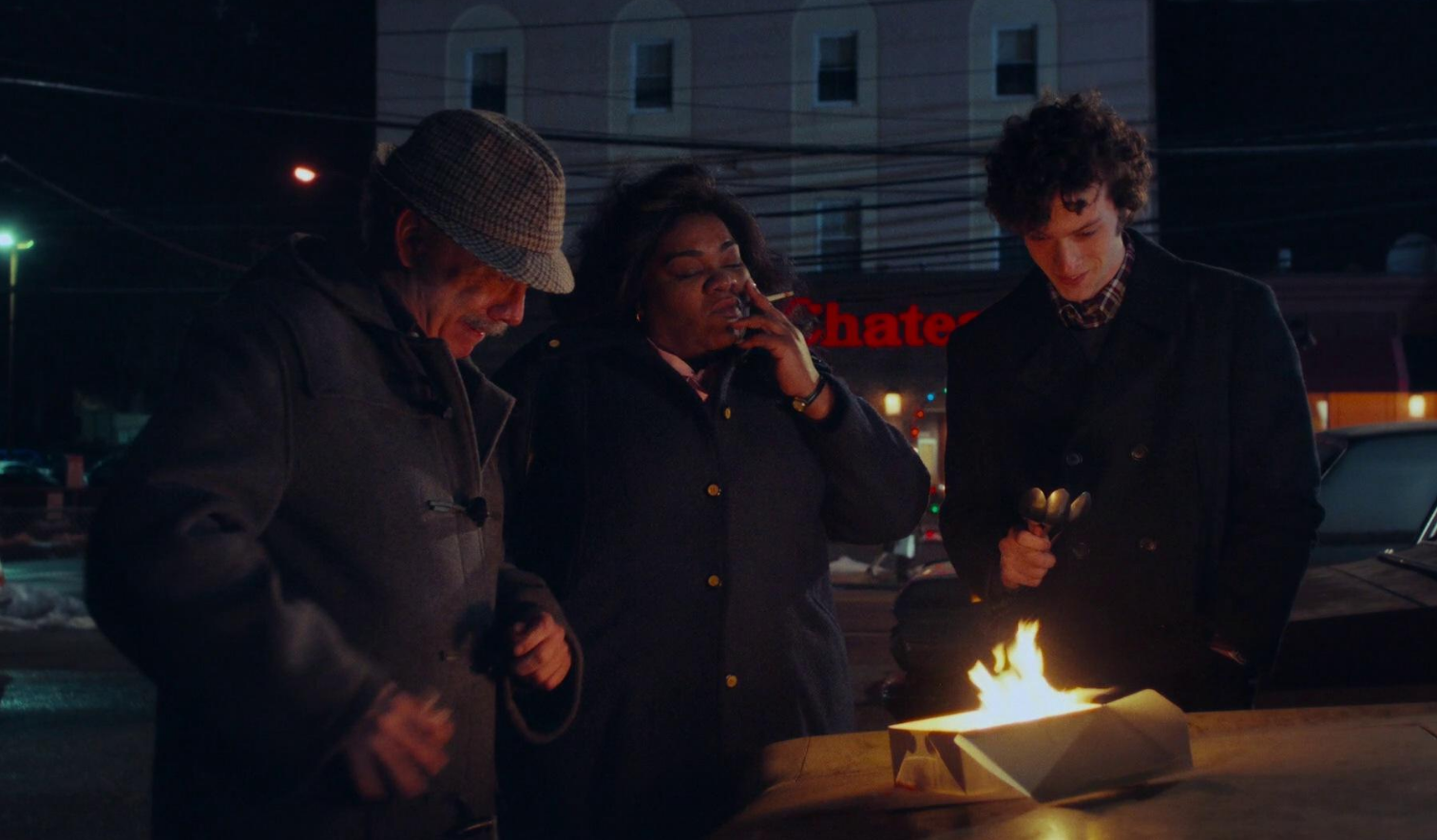
Angus visits his father, Thomas, in a psychiatric institution, where he’s paranoid and dismissive of Angus’ accomplishments. Over dinner, Angus explains Thomas was institutionalized after becoming violent and erratic. Now heavily medicated, Thomas no longer feels part of Angus’ life, while Angus himself feels sidelined at boarding school as his mother starts a new, better life – fearing she sees him as an echo of his father.

This is a key beat: it’s the first time we consider where military school could lead. For me, Fork Union initially feels like an empty, performative punishment – but in 1970, conscription was a genuine fear. With Mary’s son lost in Vietnam, Angus feels life nudging him the same way. Paul reassures him, saying he can be his own man and offers some genuinely caring advice.
After picking up Mary from her sister’s, the trio return to Barton, resisting the propensity to return to normal. They welcome the New Year with fireworks and a group hug – warm and cathartic. Yet their makeshift family is fragile. Barton – and all its responsibilities – await in the new semester.
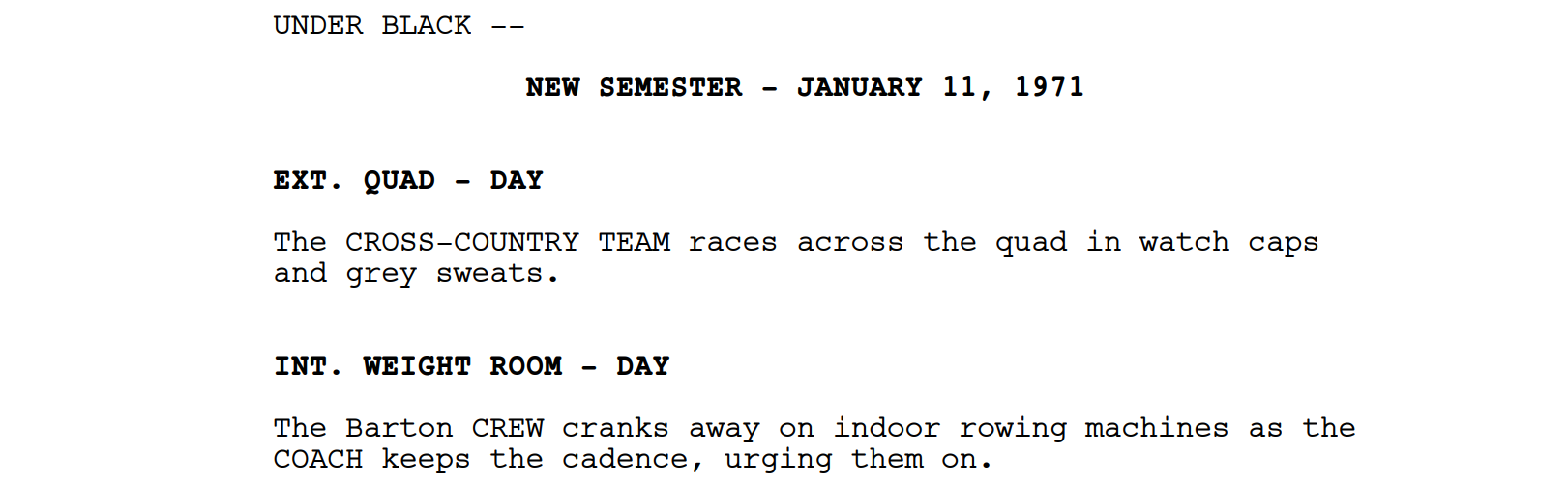
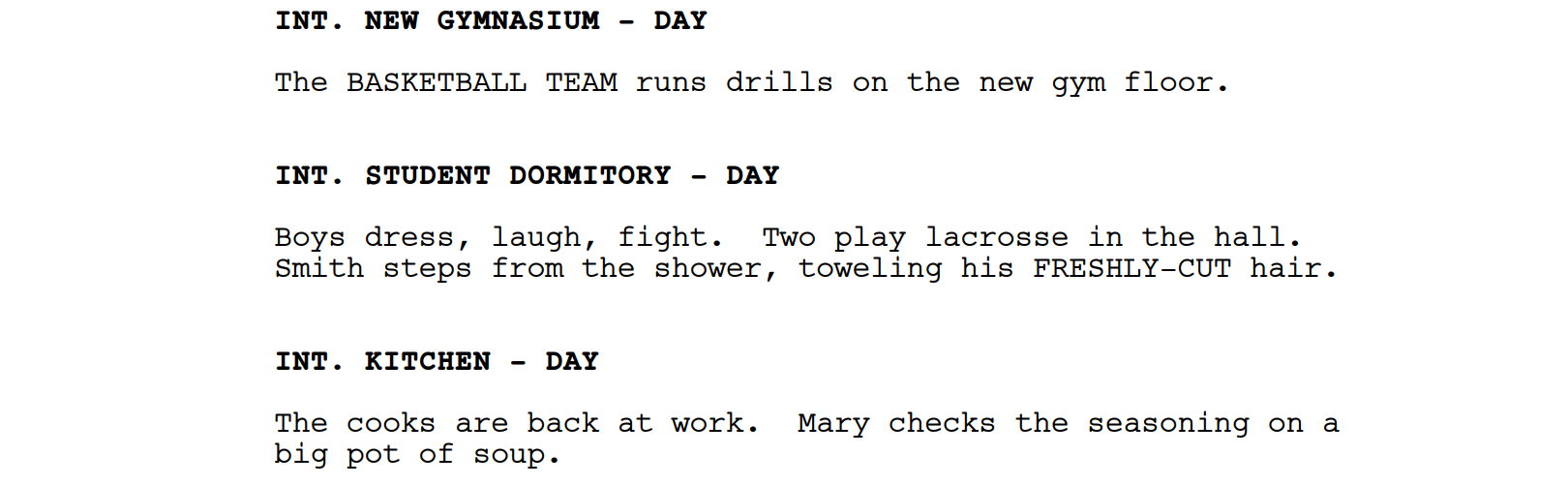
Like migrating animals migrating to familiar grounds, the recently cold and echoey corridors come alive again with pupils. Mary’s staff return. Paul resumes teaching, still mindful of the prescribed holiday reading. The fleeting magic of Christmas quietly fades.
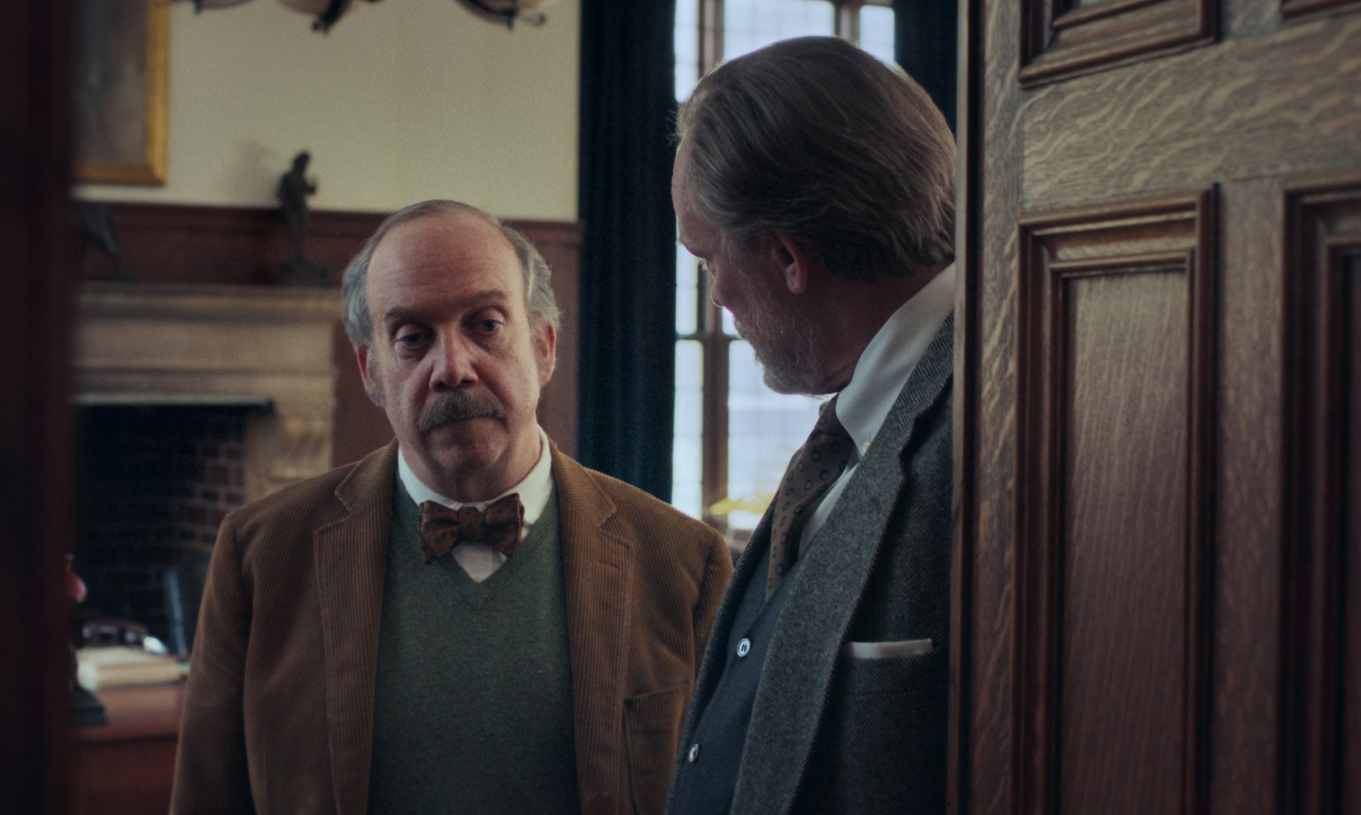
Paul is called to Woodrup’s office, where Angus waits with his mother and stepfather. Already on thin ice, Paul faces Woodrup piecing together their unauthorized travel. He has a rehearsed defense about academic field trips, but a gift from Angus to Thomas exposes their Institute visit. We’re informed that Angus’ sudden return unsettled his troubled father, leading to violence against an orderly.
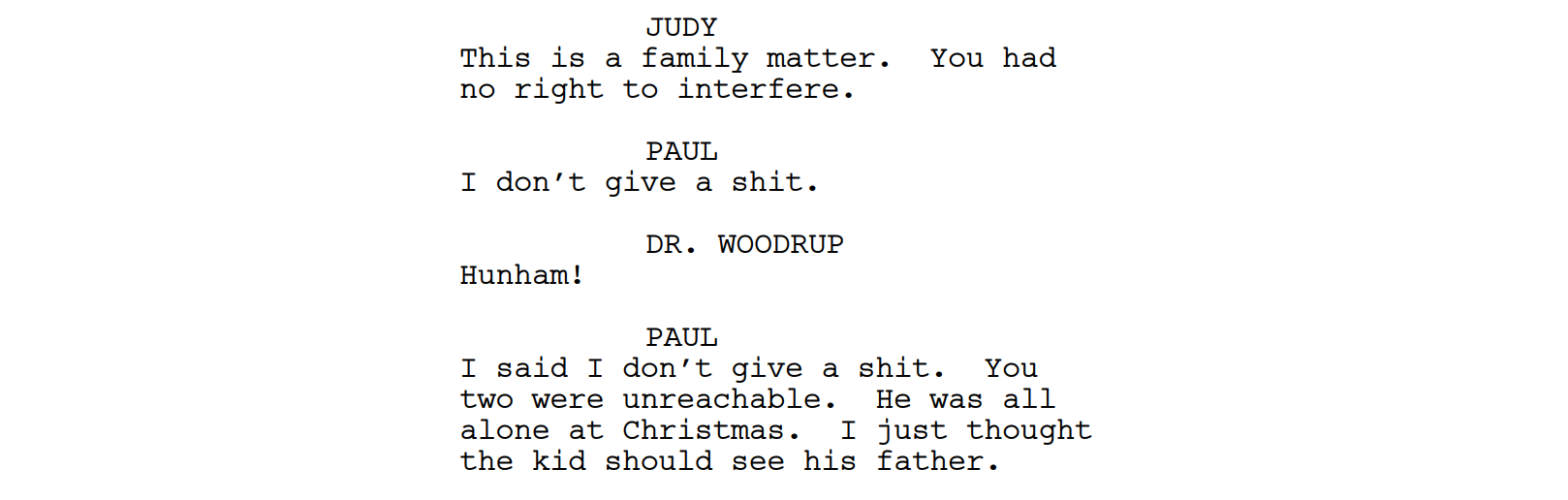
Instead of saving himself, Paul sacrifices his job to protect Angus, taking the blame for Boston, the rule-breaking, and lapses in supervision. This completes Paul’s transformation: the man who once hid behind strict discipline shows vulnerability by owning his failures. It also gives him the opportunity to tell Woodrup how he really feels.

Mary lets Paul know she’s rooting for him, gifts him a blank book to write in. Unlike him, she is content with her place in the world, and has motivated herself with the ambition of saving for her niece’s college education. Angus learns he won’t be expelled, thanks entirely to Paul’s intervention. The shared holidays have transmogrified Paul into a better person.
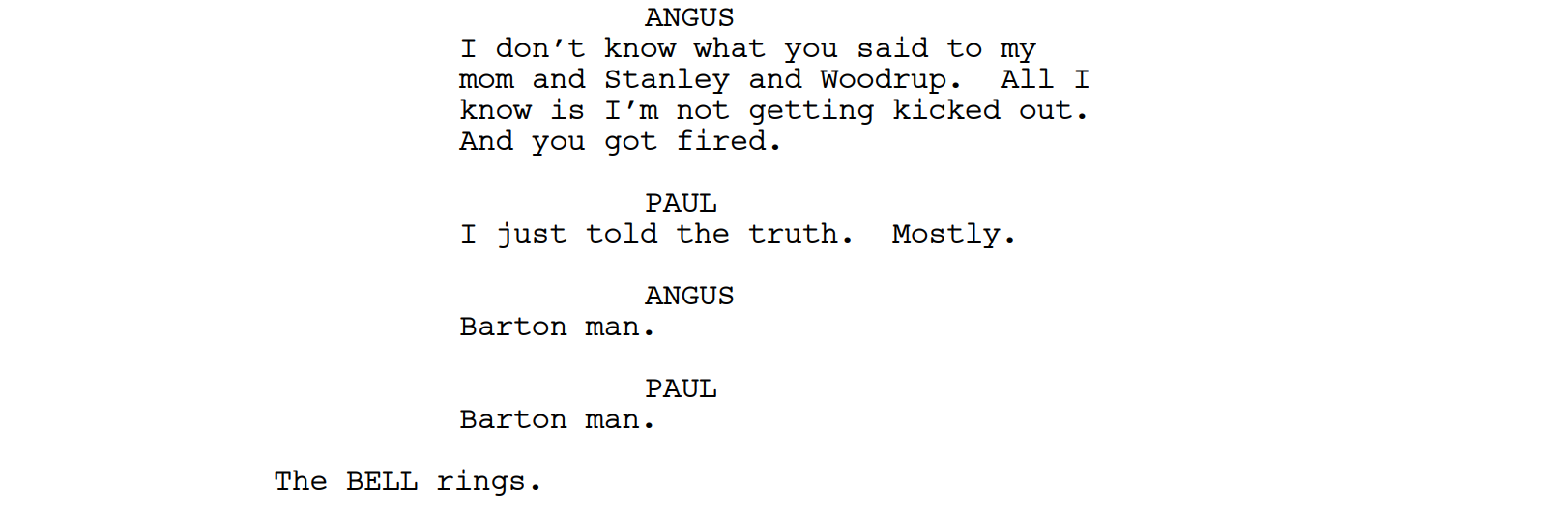
Paul packs up his boxes of Meditations, ready to leave Barton – a place he can no longer cling to – which oddly frees him. Angus finds him for a final goodbye, speaking as an equal rather than another rebellious student. Paul urges him to keep his head up. Their handshake replaces the hug they’re too proud to give.
CLOSING IMAGE
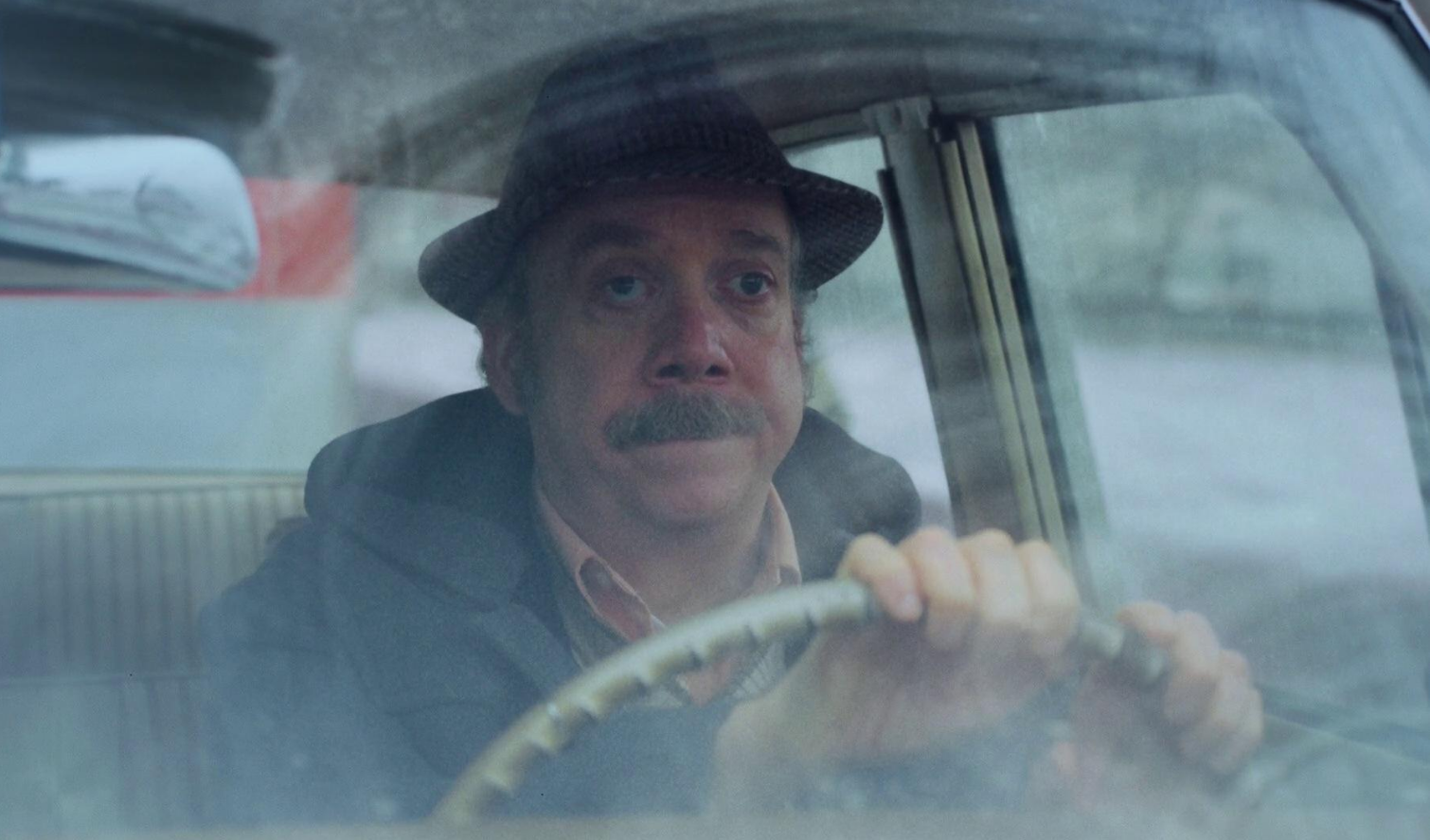
The gothic towers of Barton shrink in Paul’s rear-view mirror as he leaves for the last time. Once an uptight man confined by routine, he now steps into a wider world he’s no longer afraid of. The symmetry lands: the story opens with a trapped, bitter teacher and closes with a man in motion, choosing possibility. Angus’ final image sees him sprinting to class with a new confidence, finally fueled by someone who believed in him.
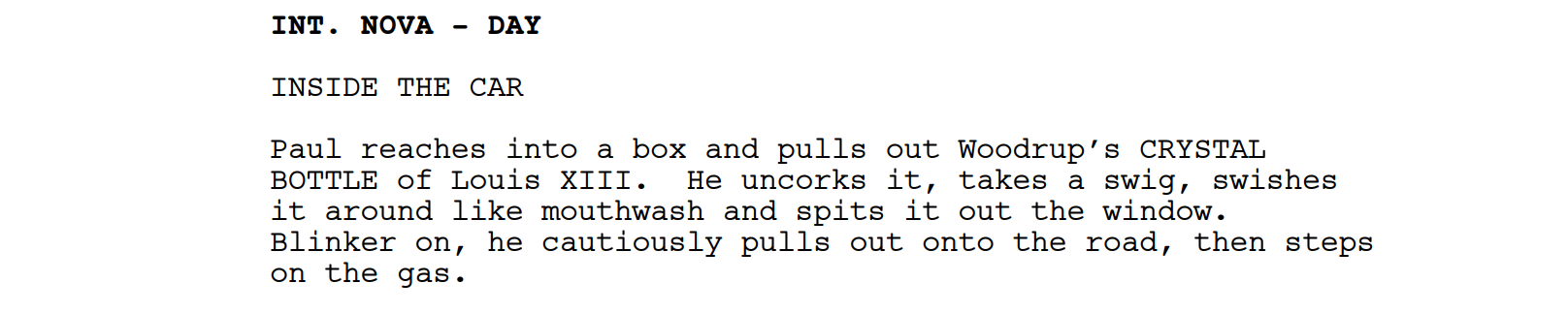
It’s a quiet, human ending. Their holiday bond has shifted them in different but complementary ways: Angus is finally willing to give Barton another chance, while Paul is relieved to stop belonging to his institutional icebox. Their arcs complete each other.
CONCLUSION
The Holdovers stands out as a rare holiday film that feels timeless, balancing character drama with humor, ensuring its status as a future Christmas classic. Many modern holiday movies rely heavily on gimmicks or broad comedy, which age poorly and date the writing. Hemingson’s screenplay roots the story in character, allowing the audience to truly inhabit the lives of Paul, Mary, and Angus. The visage of cosiness, the soft focus, vintage lenses, lived-in spaces, and period piece setting combine for a storybook feeling. But it’s rich with duality – beneath that facade is a character-driven drama, exploring grief, abandonment, and the miraculous, transformative moments sparked by human connection.
I love how this so effortlessly juggles being a Christmas story and a human story, one facet never overriding the other, meaning I’d be happy to put this on at any time of year. It’s filled with sharp dialogue, rivalry, awkward moments, compassion, and even twists and turns.
Ultimately, The Holdovers captures the essence of the holidays without relying on the usual clichés: it’s low on romance, it focuses on found family over birth family (without ever being particularly family friendly), and there’s not a single mention of Santa Claus. While only on my second year, I am certain I will be revisiting this film year after year, discovering new emotional layers each time. What more can you ask of a classic?
We award 5/5.